
What an Olive Harvest in Greece Really Feels Like
There is a difference between knowing an olive tree and standing beside one.
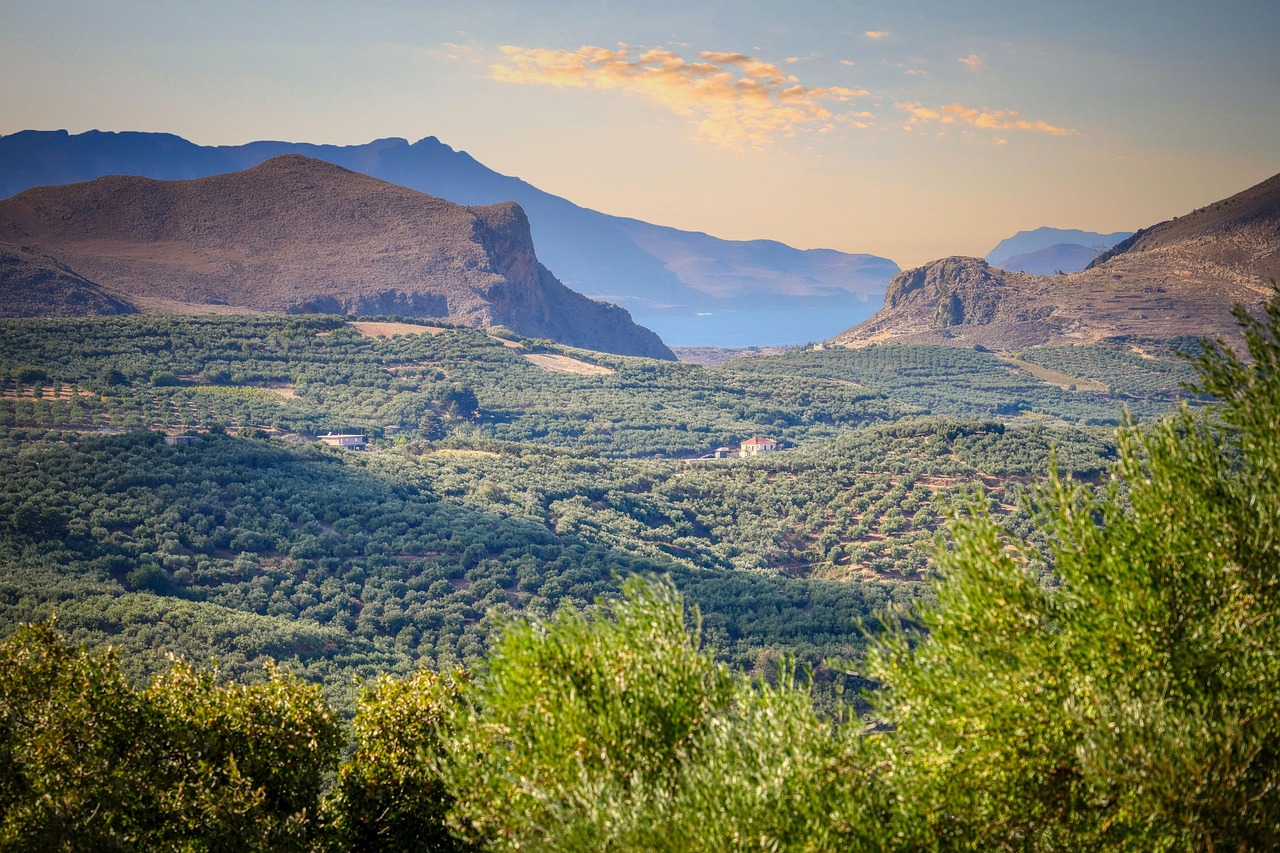
I had seen olive groves countless times. I had driven through them, photographed them, walked among them and, like most people who have grown up around Greece, probably taken them for granted at times. But the olive harvest changes the way you see them. The grove becomes a completely different place. It is no longer simply part of the Greek landscape. It becomes a place of work, movement, smell, sound and anticipation. The trees that have stood quietly through the summer suddenly become the centre of everything.
For me, this is where the idea behind Olea Legacy becomes most tangible. Because an olive tree is easy to admire from a distance. It is much harder to understand until you have stood underneath one during harvest.
Arriving at the Grove
The olive harvest in Greece takes place during the cooler months, generally beginning in autumn and continuing into winter depending on the region, the variety and the ripeness of the fruit. I particularly like arriving early.
There is something about the first hours of the day in an olive grove that is difficult to reproduce anywhere else. The light is softer than the hard summer light that most people associate with Greece. The sun sits lower, and the landscape has a different colour. The olive leaves catch the light from different directions, sometimes appearing silver-green, sometimes almost grey.
The air can be cool when you first arrive. And before you really notice the trees, you notice the smell of the land. There is the smell of dry earth and vegetation, of olive leaves and branches, of the herbs that grow naturally around the trees. Depending on the weather, there can be a faint dampness in the soil, mixed with the smell of wood, machinery and the activity of the harvest beginning around you.
It is not a perfume. It is much more elemental than that. It smells like agriculture. It smells like Greece.
And once the harvest starts, the character of the grove changes again. People arrive. Nets are spread beneath the trees. Crates begin to appear. There is movement everywhere. The quiet landscape suddenly becomes alive.
Standing Beside an Ancient Olive Tree
The first thing that photographs cannot really communicate about an ancient olive tree is its scale. You can see an enormous trunk in a photograph and understand intellectually that it is old. Standing beside it is different.
The trunk can be twisted, divided and irregular, sometimes almost impossible to understand as a single structure. The bark is deeply textured. Parts of the tree can look old and weathered, while elsewhere there is fresh growth. There can be hollows and cavities in the trunk. There can be sections that appear almost sculptural.
And then you notice the most extraordinary thing. It is still alive. It is still producing.
That is what continues to fascinate me about olive trees. An ancient tree does not necessarily look like what we imagine old to look like. It can look partly weathered, partly broken and yet completely alive at the same time. There is something deeply humbling about putting your hand on a trunk that has existed for generations. You suddenly stop thinking about time in years. You start thinking about time in generations.
Someone planted that tree long before you were born. People lived around it. Families changed. Villages changed. Roads changed. Technology changed. The landscape changed. And the tree remained.
That is one of the reasons I believe olive trees have such a unique relationship with the idea of legacy. A luxury watch can last for generations. A beautiful house can last for generations. A piece of art can last for generations. But an olive tree is different. It is not simply something that survives generations. It is alive through them.
That distinction, surviving versus being alive through, is at the heart of what we explore in the Living Legacy Guide, and it is the distinction that the harvest makes viscerally real in a way that no written account fully replicates. You have to stand beside the tree to feel it.
When the Harvest Begins
The harvest itself is much more physical than the finished bottle of olive oil suggests. The first thing you notice is movement. Workers move around the trees. Nets are placed beneath them. Branches are worked carefully so that the fruit falls onto the nets rather than directly onto the ground.
There is a constant combination of sounds: branches moving, leaves rustling, olives falling, equipment operating, crates being moved and people talking to each other. It is agricultural work, and there is an efficiency to it that comes from experience.
The growers know their trees. They know how to approach them. They know where the fruit is. They know what they are looking for. And that relationship between grower and tree is something I think people who have never experienced an olive harvest often underestimate. The grower is not simply dealing with an agricultural commodity. There is knowledge accumulated over years. Sometimes generations.
The harvest is also one of those occasions when the age of the tree becomes strangely irrelevant and incredibly important at the same time. The tree may be centuries old. But today, it still has a job to do. It still has to be harvested. Its fruit still has to be collected. And within hours, those olives may be on their way to the mill.
There is something almost contradictory about harvesting an ancient olive tree. You are handling something extremely old, but the work itself is immediate. You are dealing with this year’s fruit. This year’s weather. This year’s harvest. This year’s oil. The tree connects the present with everything that came before it.
That is what makes the experience particularly meaningful to me. When you pick an olive from a centuries-old tree, you are not simply picking fruit. You are participating, however briefly, in a cycle that has continued for generations. And that changes the way you think about the oil afterwards. It is no longer simply olive oil. You have seen where it came from. You have touched the tree. You have watched the fruit being harvested. You know the land. You have been there.
That connection is at the heart of what I wanted Olea Legacy to create. It is also what distinguishes what we offer from anything that can be described in a product specification, which is why the Olea Legacy Experience exists as a separate, dedicated page rather than a section of a pricing document.
From the Tree to the Mill
One of the things I learned to appreciate is how quickly the character of the olives changes once they leave the grove. The goal is to move them from harvest to milling as efficiently as possible. At the olive mill, everything becomes more industrial and more intense. The quiet rhythm of the grove is replaced by machinery. There is movement everywhere. Olives are cleaned, processed and crushed, and the entire process feels remarkably different from the peaceful landscape they have just come from.
And then comes the moment that, for me, makes the whole harvest suddenly make sense.
Fresh extra virgin olive oil.
The smell is extraordinary. It is green, fresh and intensely vegetal. It can remind you of crushed leaves, freshly cut grass, green herbs and the living plant itself. It does not smell like the olive oil most people have sitting in their kitchen cupboard. It smells alive.
The colour can be intensely green or green-gold depending on the olives, the variety and the stage of harvest. And then you taste it. The first thing I notice is the freshness. Then comes the bitterness. And then, depending on the oil, the pepperiness begins to build at the back of the throat. That slight catch is one of the characteristics I love most about a good fresh extra virgin olive oil. It tells you that there is much more happening inside the oil than simply olive flavour. It has character. It has intensity. It has personality.
And perhaps most importantly, it still feels connected to the tree you have just left.
For those who want to understand what that character means in technical terms, what the polyphenol content represents, why early harvest matters, and what distinguishes this oil from the supermarket alternative, High Polyphenol Olive Oil and Early Harvest Olive Oil provide the full scientific account. The science is real and significant. But the smell in that mill is something the science cannot quite capture.
Every Year Is Different
There is something particularly special about tasting an oil from a new harvest. Every year is different. The trees may be the same. The land may be the same. But the year is never exactly the same.
Rainfall changes. Temperature changes. Harvest timing changes. The fruit changes. The result changes.
That is one of the things I find fascinating about olive oil. It is not a completely manufactured product where the objective is to make every year’s result identical. The character of the harvest belongs to that particular year. And when you taste the new oil, you are tasting a moment in time.
That idea became increasingly important to me when developing Olea Legacy. Because if someone owns an olive tree, what they receive is not simply a product. They receive something that came from their tree, in that particular harvest, in that particular year. That is a very different relationship with olive oil.
It is, in the language we use elsewhere in this journal, the specific quality of a living asset, something that produces something genuinely new from itself each year, rather than simply storing value that was assigned to it at the moment of acquisition. Living Assets Versus Traditional Assets examines this distinction at length. But the distinction is felt most directly in that first taste of a new harvest from a tree you know.
The First Bottle with Someone’s Name on It
There is a very particular feeling when the harvest becomes personal enough to be put into a bottle with someone’s name on it.
The label is no longer simply a brand label. It represents a relationship. It identifies the tree, the harvest and the person connected to it. For the owner, the bottle is a physical reminder of something that cannot really be reduced to a product specification.
They can hold it. They can open it. They can pour the oil over food at home in London or New York or Zurich. But the experience behind it began much earlier, in a Greek olive grove. The tree is still there. The land is still there. The people who care for it are still there. And the next harvest is still coming.
That is what I mean when I use the word legacy. Not simply the object. The ongoing story that the object is part of.
Why I Chose the Olive Tree
I have spent a great deal of my life working around Greece and thinking about how people experience this country. Greece is often sold through its obvious symbols: the sea, the islands, ancient monuments, food, summer and sunshine. All of those things are important. But I became increasingly interested in something quieter.
The olive tree.
Because the olive tree represents a different Greece. A Greece that existed before tourism. Before modern borders and modern businesses. Before most of the things we associate with contemporary life. It represents agriculture, family, land and continuity.
And unlike a photograph of Greece, an olive tree is not something you simply look at. It continues to live. It needs care. It produces. It changes. It ages. It survives. That is why the idea of ownership felt so powerful to me. I did not want Olea Legacy to be another company selling a bottle of Greek olive oil. There are already thousands of companies doing that. I wanted to create something that allowed someone to form a relationship with a real piece of the Greek landscape.
Not ownership as a financial asset. Ownership as stewardship. Ownership as connection. Ownership as something that can be shared with family and eventually passed to another generation.
The Moment That Stays With Me
If I had to explain what stays with me most from the olive harvest, it would not be one particular bottle or one particular piece of equipment.
It would be the contrast.
The enormous age of the trees against the very human activity happening around them. The workers moving beneath branches that have been there for generations. The sound of olives falling onto the nets. The smell of crushed leaves. The early light. The earthy ground beneath your feet. The noise of the mill. And then the silence again when you return to the grove.
There is something very grounding about it.
Perhaps that is why I keep coming back to the idea of stewardship. Because an olive tree does not ask to be admired. It simply continues. Someone planted it. Someone cared for it. Someone harvested it. And eventually someone else will do the same. We are only temporary participants in a much longer story.
That, ultimately, is what I wanted Olea Legacy to capture. Not only the olive oil. Not just the Greek landscape. Not just the experience of visiting a grove. But the feeling of becoming part of something that was here before you and, if cared for properly, will still be here after you.
A living legacy.
If the harvest has made you curious about what it means to hold a tree of your own, the Oleotourism in Greece guide explains what a harvest visit involves in practical terms, and the Visit Us page covers the specifics of arranging one. For those ready to explore stewardship itself, the Ownership page is the right starting point. And for those who want to understand the full philosophical framework behind the experience described here, the Philosophy of Living Legacy is where that conversation lives.
To begin a private conversation, the Contact page is the starting point.