
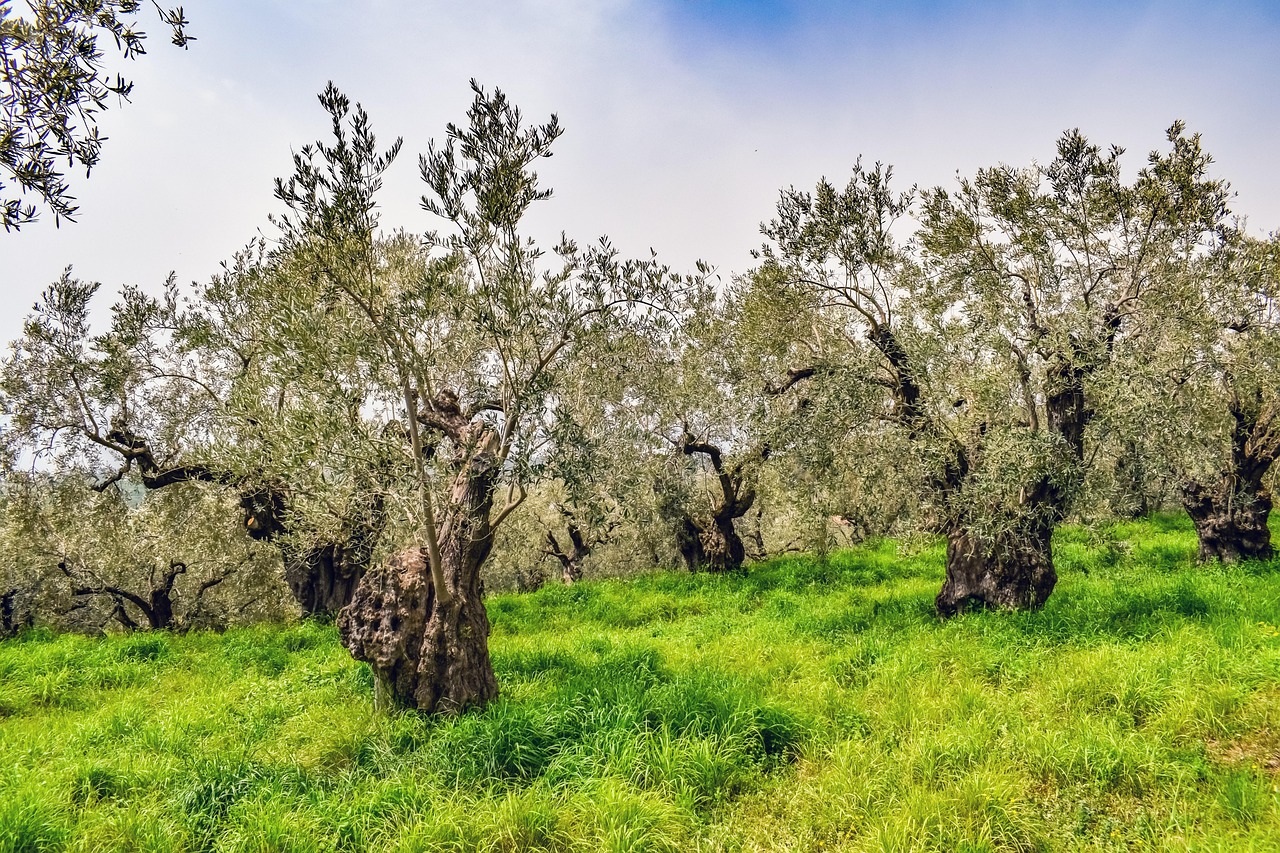
Oleotourism in Greece.
The Ultimate Harvest-Season Guide
There is a moment each year when Greece changes character. The heat of summer fades, the crowds thin, and the olive groves come alive. Families gather, mills begin to run through the night, and the air fills with the scent of fresh fruit and new oil.
This is the world of oleotourism. It is travel that revolves around the olive tree. It combines landscape, culture, gastronomy and heritage in a way that ordinary holidays rarely match.
At Olea Legacy, we see oleotourism as more than a seasonal trend. It is an elegant way to experience the true rhythm of Greece and, for some guests, it becomes the first step towards owning a tree through Own a Piece of Greece.
What oleotourism really is
Oleotourism is a form of travel that centres on olive trees, olive oil and the people who care for them. Instead of simply tasting oil in a shop, you enter the places where olives grow and where the oil is made.
A well-designed oleotourism journey will usually include:
Time in the groves during harvest or preparation.
Visits to mills where you can see how premium extra virgin olive oil is produced.
Guided tastings that teach you how to recognise freshness, quality and fault.
Meals that show how great oil transforms even the simplest food.
Encounters with growers, millers and families who have lived with the olive tree for generations.
Unlike many types of agritourism, oleotourism rewards curiosity as much as it rewards appetite. The more you wish to learn, the more the experience offers.
For a deeper understanding of the tree itself, you may enjoy The Greek Olive Tree Guide and The Eternal Tree.
Why Greece is the natural home of oleotourism
Many Mediterranean countries produce olive oil, but Greece offers a combination that is hard to match.
A history that reaches back more than three millennia, with archaeological evidence of olive cultivation from the time of the Minoans.
Groves that still include trees many centuries old, some of which have been harvested by the same local families for longer than most nations have existed.
A genuinely everyday relationship with olive oil, from village kitchens to fine dining.
Landscapes that range from mountain terraces to soft coastal valleys, each producing distinct oils.
In Greece, the olive tree is not a decorative accent. It is central. Its presence is felt in language, religion, art, and in the quiet rituals of daily life.
If you would like a cultural lens on this, Olive Tree Symbolism in Ancient Greece and Beyond offers a thoughtful overview.
When to visit for the harvest
For an authentic harvest season experience, timing matters. The main harvest in most Greek regions runs from mid-October through December.
October
Early harvest
Olives are still green and rich in natural antioxidants. Farmers work quickly, and mills press through long evenings. This is the most active and intense moment of the season.
Visitors at this time can:
Join hand-picking in selected groves.
Taste vivid early harvest oils that are grassy, spicy and full of character.
Watch the first batches of fruit arrive at the mill straight from the nets.
The weather is comfortable, with clear days and cooler nights. It is ideal for those who want to feel the energy of the harvest at full pace.
November
Balanced harvest
By November, the work is in full flow, but the rhythm is often a little more measured. Olives are partly ripe. Oils become slightly rounder in flavour, while still retaining freshness.
This is an excellent month if you wish to:
Combine harvest participation with time for tastings and exploration.
Enjoy village life and autumn cooking in a more relaxed atmosphere.
Travel when there are fewer tourists on the beaches, yet plenty of activity in the groves.
Early December
Late harvest and quieter experiences
In the first half of December, harvest continues in many groves, but at a gentler tempo. Olives are darker and produce softer oils.
Guests who choose this period often appreciate:
Milder, gentler oils that are easy to introduce to friends and family.
Fewer visitors at mills and more unhurried conversations with producers.
A feeling of winter approaching, with fires lit and village routines settling in.
Outside these months, you can still visit groves and mills, but you will see preparation and education rather than live harvest. For guests with flexible schedules, late October and November provide the most complete picture of the olive year.
Where to experience oleotourism in Greece
There are many ways to frame an oleotourism journey. Some guests prefer one region, others combine two.
Crete
The birthplace of many olive traditions
Crete offers ancient trees, dramatic landscapes and some of the most distinctive oils in Greece. The western part of the island is known for early harvest oils with vivid pepper and deep green character. The central and eastern parts offer a range of profiles, from robust to surprisingly delicate.
Crete suits guests who:
Enjoy a sense of scale and history.
Wish to see both very old groves and modern mills.
Like to combine harvest days with coastal walks and small towns.
The Peloponnese
Varied landscapes and rich food culture
The Peloponnese is home to recognised olive regions and an important wine scene. Here you can move from estates near famous archaeological sites to small family plots that are rarely on tourist maps.
This region is ideal if you would like to:
Alternate between olive visits and classical sites such as ancient Sparta and Mycenae.
Experience both artisanal mills and more contemporary facilities.
Enjoy pairings of olive oil, wine and local cheeses in one journey.
Ionian islands
Olive trees and sea light
Islands such as Corfu and Zakynthos are covered with olive trees that march down slopes towards the sea. Some of these trees are astonishingly old and form almost cathedral-like groves.
Guests who choose the Ionian tend to:
Want the calm of island life alongside harvest experiences.
Appreciate softer light, sea views and a slower tempo.
Prefer a smaller number of highly personal visits over a busy schedule.
Northern Greece
Cooler air and quieter roads
Regions in the north, such as parts of Halkidiki and Thrace, offer emerging oleotourism scenes with fewer visitors and a cooler climate. Oils here can feel more floral and delicate.
These areas suit travellers who:
Enjoy discovering places before they become widely known.
Appreciate village-based accommodation and slower village evenings.
Welcome, gentler temperatures and wooded hillsides.
Olea Legacy can help you decide which region best fits your interests, or how to combine a short grove visit with a wider trip that may include Athens or the islands.
Essential experiences to include
A well-balanced oleotourism itinerary usually includes three core elements.
Time in the grove
Walking among the trees is fundamental. Depending on the season and your preferences, this can include:
Joining the harvest for a few hours under the guidance of the growers.
Observing pruning and care outside the harvest period.
Simply walking and listening, which reveals as much about the life of a grove as formal explanations.
Comfortable footwear, a willingness to move on uneven ground and an openness to informal conversation will take you a long way.
A visit to a mill
A modern olive mill is both calm and precise. Clean lines of stainless steel replace the romantic images of rustic presses, and the focus is on protecting the fruit at every stage.
During a thoughtful mill visit, you will usually:
Follow the journey from the arrival of the olives through washing and sorting.
Watch the fruit crushed and gently mixed.
See how oil is separated from water and sediment.
Taste oil that has only just been pressed, which is a revelation for most guests.
Understanding this process makes it much easier to judge oil quality at home and to appreciate the work behind each bottle.
Guided tastings
Professional tastings teach you how to use your senses when you meet an olive oil.
Under guidance, you learn to:
Warm the tasting glass and pay attention to the aroma rather than the colour.
Notice different layers of fruit, leaf, herb and spice.
Recognise the pleasant bitterness and gentle catch in the throat that signal fresh polyphenols.
Distinguish between healthy pepperiness and faults such as rancid or musty notes.
Once you have experienced this, you will never look at anonymous supermarket oil in quite the same way. For those interested in the health side, High Polyphenol Olive Oil Science Backed Benefits offers a calm, evidence-based look at the subject.
How Olea Legacy elevates the experience
Many people now visit groves and mills around the Mediterranean. Olea Legacy is designed for guests who want something more considered.
The differences include:
A focus on private or very small group experiences rather than large group tours.
Curated introductions to growers whose work and values align with our own.
The possibility for guests to move from visitor to owner through Own a Piece of Greece.
A connection between your time in the groves and your long-term relationship with a particular tree and oil.
For some guests, oleotourism becomes the first chapter of a longer story. After standing under the trees and seeing the work involved, they decide to make one of those trees their own. The next time they visit, they are returning, not arriving.
If you would like to understand how our ownership model works, The Olea Legacy Experience and Ownership provide a clear overview.
Planning a refined oleotourism journey
You can plan your trip in a few simple stages.
Decide on the season
Choose between the energy of October, the balance of November, or the calmer atmosphere of early December.Choose your region
Consider whether you prefer Crete, the Peloponnese, the Ionian islands or Northern Greece, depending on the blend of landscape, culture and pace you enjoy.Decide how active you would like to be
Some guests wish to work in the groves for several hours. Others prefer to observe and taste. There is no single correct choice.Arrange visits in advance
Quality experiences in the harvest season often have limited capacity. It is wise to confirm at least the key days before you travel.Allow time simply to be there
Do not fill every day. Part of the charm of oleotourism is the quiet time between activities, when you sit with a simple plate of bread, oil and salt and listen to the sounds of the grove.
If you hope to visit your own future tree or combine travel with a potential ownership conversation, you can contact us through the Contact page. We will help you shape an itinerary that reflects what matters to you.
From visit to legacy
A well-chosen oleotourism journey does more than fill a few days with pleasant tasting. It changes the way you relate to olive oil, to the land that produces it, and to the people who live with the olive tree as a constant presence.
With Olea Legacy, that journey can become the beginning of something longer. You may return to the same grove year after year, see the same faces, and watch the same tree change with age while your own life moves forward.
When you are ready to move from traveller to steward, Own a Piece of Greece and The Gift That Grows show how an olive tree in Greece can become part of your personal story and a gift that grows with time.