
Early Harvest Olive Oil.
Benefits Taste & Value
A choice made at the very start of the season
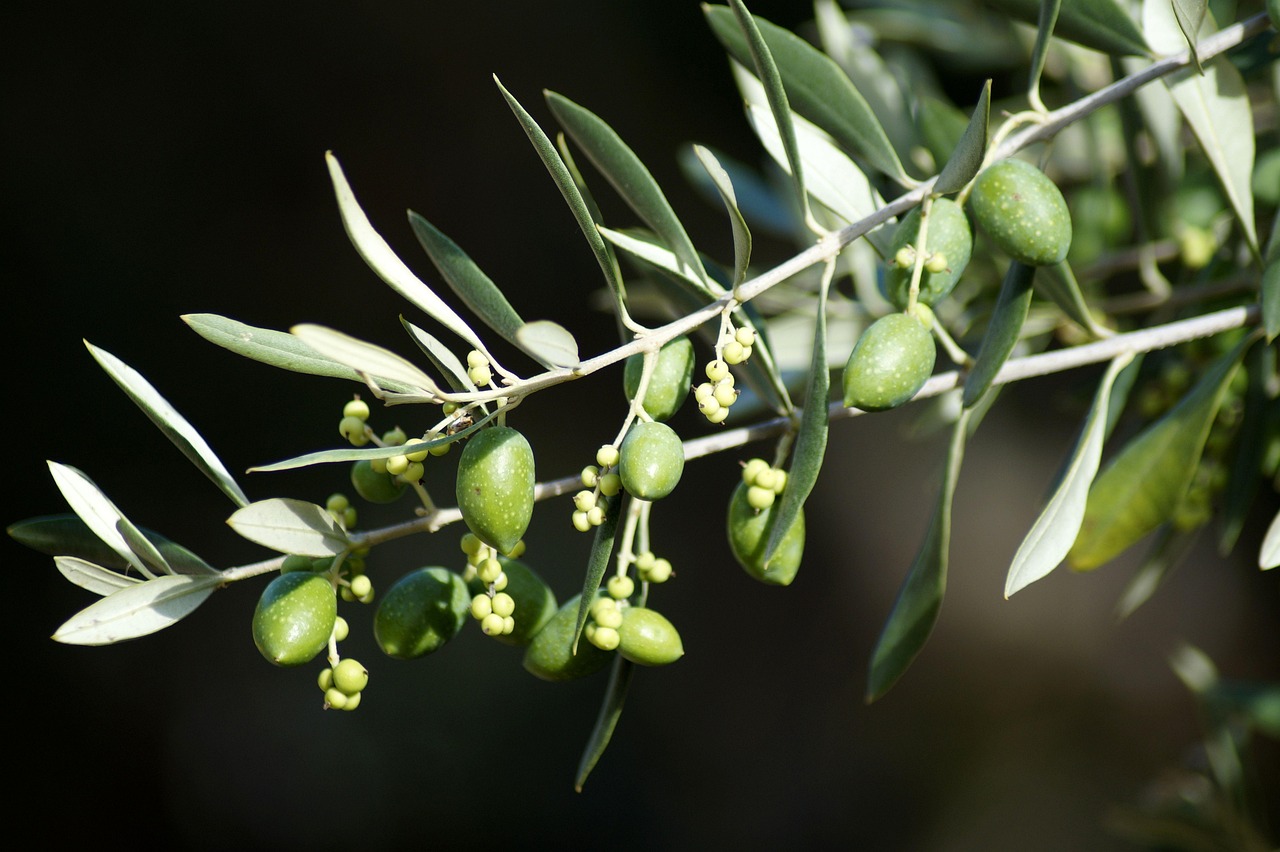
Walk through an olive grove in late October and you will hear the rhythmic shake of branches, the sound of nets filling with bright green fruit, and the particular excitement of a season just beginning. This is early harvest olive oil, pressed from olives picked before they have fully ripened, and it has earned its place in the spotlight for a bold flavour, real freshness and a richer polyphenol profile than oil pressed later in the season.
What early harvest actually means
Early harvest oil comes from olives picked at the very start of the season, usually October into early November, while the fruit is still green and firm. The resulting oil is greener in colour thanks to higher chlorophyll content, considerably more intense in flavour, and meaningfully richer in polyphenols, the natural antioxidants that carry most of its health benefit. Oil pressed later, once the olives have fully ripened, tends to be smoother and milder, but carries fewer antioxidants and a shorter useful life once bottled. The particular balance of fruitiness, bitterness and pungency that marks a genuine early harvest oil is worth tasting for yourself, and the olive oil tasting guide sets out exactly what to look for.
Why it costs more
The premium reflects genuine production cost rather than marketing. Green olives simply produce less oil than ripe ones, so more fruit is needed for the same yield, and picking earlier demands faster, more labour intensive work, since the fruit must reach the mill and be pressed quickly to preserve what makes it valuable in the first place. Producers who commit to early harvest are choosing quality over volume deliberately, sacrificing yield to preserve antioxidant content and freshness, and the resulting production run is smaller and more exclusive as a direct consequence, a cost genuinely reflected in the price rather than added to it. The fuller science behind why that polyphenol content matters is covered in high polyphenol olive oil.
Where it belongs in the kitchen
Early harvest oil is best used raw, drizzled over salads, greens, soup or bread, or as a finishing oil over grilled fish, meat or pasta, and it pairs particularly well with strong, assertive flavours such as goat’s cheese, tomato, citrus or legumes. Deep frying is worth avoiding entirely with an oil like this, since high heat destroys much of the polyphenol content that makes it worth the premium in the first place, and a later harvest oil is the more sensible, more economical choice for that purpose instead.
The sustainability case
Early harvest production tends to go hand in hand with smaller batch farming that supports traditional growers directly, and with the environmentally careful methods that preserve biodiversity across a grove. The higher polyphenol content also makes the finished oil naturally more stable, which in practice means less spoilage and less waste further down the supply chain.
Early harvest as the standard, not the exception
At Olea Legacy, the timing of each harvest is decided with the growers who know the trees, and many of them favour an early harvest for its higher polyphenol content. The olives are milled within hours to lock in freshness, and bottled individually from each owner’s own tree, carrying their own name or crest. For owners who wish to take part directly, experiential harvest trips allow a visit to Greece to pick olives and taste oil fresh from the press. The ownership page and the experience page both cover how to arrange this.
Health, taste and tradition
Early harvest olive oil is not simply a premium product for its own sake. With its bold flavour, genuine antioxidant strength and deep cultural roots, it represents what extra virgin olive oil is capable of at its very best. At Olea Legacy, that care is the promise behind every bottle, harvested from your own tree in Greece at the moment its grower judges right, milled within hours, and delivered as a personal legacy rather than a commodity.