
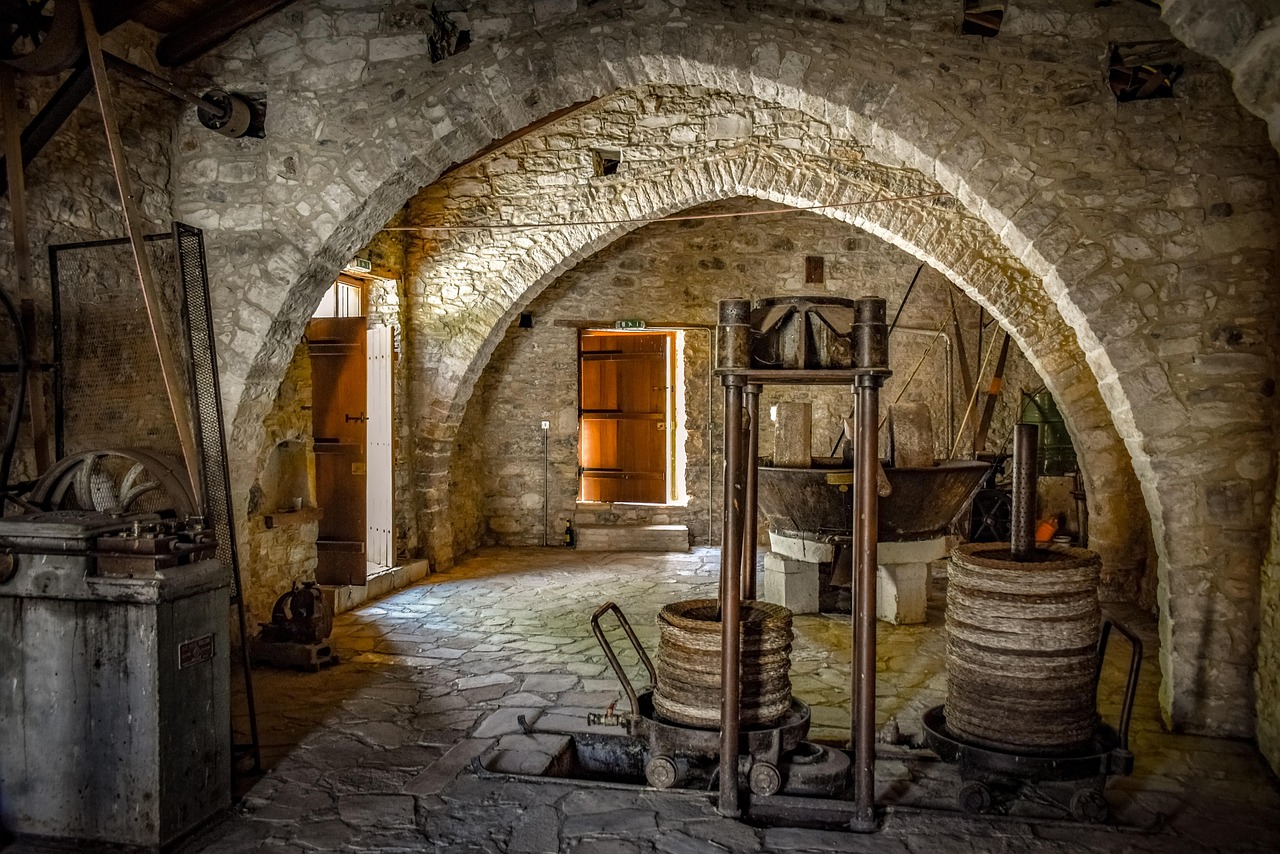
olive oil production

The Olive Oil Production.
From Grove to Bottle, Quality, Taste & Health


The production process determines how much flavour, nutrition, and authenticity ultimately reaches every bottle of extra virgin olive oil. From how the trees are cultivated to the speed of harvest and the precision of extraction, every decision along the way either protects quality or quietly erodes it. Understanding the full journey helps in recognising genuine Greek extra virgin oil, choosing better bottles, storing them correctly, and getting the full health benefit they are capable of offering.

Where Quality Begins, in the Grove

The process starts long before harvest day, with the grove itself, its climate, its soil, its variety, and the way it is farmed. Different olive varieties carry different flavour profiles, different bitterness, and different levels of natural antioxidant. Greek cultivars such as Koroneiki are known for intense fruitiness, a peppery finish, and naturally high polyphenol content, which together give Greek oil its distinctive sensory and nutritional identity. This is the biological foundation everything else builds on, the right variety in the right place, cared for properly.


Farming practice matters just as much as variety. Thoughtful pruning, minimal chemical input, and careful irrigation all shape both yield and phenolic content, and healthy, unstressed trees carrying a balanced load produce olives richer in both aroma and polyphenol. Well managed groves can even act as genuine carbon sinks, particularly where prunings and other by-products are put to use rather than wasted, a theme covered further in Olive Tree Carbon Sequestration.

Harvest, the First Point of No Return

Harvest is the first genuinely irreversible moment in the process, since olives begin fermenting and oxidising the instant they leave the tree. Early harvest, picking while the olives are still green, produces oil that is more bitter, more peppery, and more deeply aromatic, with considerably higher polyphenol content and a longer shelf life. Late harvest, picking once the fruit has fully ripened, produces something milder and softer, with lower polyphenols and less staying power. Early Harvest Olive Oil explores why this timing matters as much as it does.


The method of picking matters too. Selective hand picking or gentle mechanical shaking keeps the fruit intact and avoids the bruising that accelerates oxidation, and serious producers aim to move olives from tree to mill within a few hours, often under six, to preserve freshness and phenolic content before either has a chance to degrade.

From Fruit to Extraction

Once at the mill, olives are cleaned and sorted, passed through blowers and washing systems to remove leaves, twigs, and dust, with any damaged or overripe fruit removed before it can compromise the batch. The whole olive is then crushed into a paste, releasing the oil droplets along with the flavour compounds and polyphenols that will define the finished oil’s character, followed by malaxation, a slow mixing that helps those microscopic droplets merge into larger ones. For extra virgin oil, malaxation stays brief, usually twenty to forty five minutes, and below twenty seven degrees Celsius, the threshold that defines genuine cold extraction, since longer or warmer mixing increases yield at the direct expense of aroma and polyphenol content.


The oil is then separated from the water and solids that remain, either through traditional pressing or, far more commonly today, through modern centrifugation, with two phase systems now standard among quality focused mills for how much better they preserve phenolic compound compared with older three phase methods. The full detail of how these methods differ, and why centrifugation has become the stronger choice on the evidence, is covered in full in How Olive Oil Is Made, which sets out the extraction stage on its own.

Storage, Bottling, and What Happens Afterward

Even the finest extra virgin oil is fragile once extraction is complete, and quality can drop quickly without careful handling. Serious producers store oil in inert gas blanketed stainless steel tanks that keep both oxygen and light at bay, typically at fourteen to eighteen degrees, to slow oxidation and preserve aroma and polyphenol content.


Bottling choices matter just as much at the consumer end. Dark glass and opaque tins offer the best protection against light, and newer approaches such as bag in box packaging or an argon headspace reduce oxygen contact further still, meaningfully extending shelf life. How to Store Olive Oil covers what to do once a bottle reaches your own kitchen.

What Extra Virgin Actually Requires

The process only results in genuine extra virgin oil when strict criteria are met throughout, free acidity at or below 0.8 per cent, low peroxide values, and a pass on ultraviolet absorption and other chemical tests, alongside a trained sensory panel confirming the absence of defects such as rancidity or mustiness and the presence of fruitiness, bitterness, and pungency.


Because genuine extra virgin oil is expensive to produce properly, it is also one of the food products most often adulterated, blended with cheaper refined oils, mislabelled by origin or harvest year, or sold at a grade the analytical and sensory testing simply does not support. How to Spot Fake Olive Oil sets out twelve proven checks for protecting against exactly this.

Polyphenols, Where Science Meets Taste

Much of the genuine health interest in extra virgin olive oil comes down to its phenolic compounds, natural antioxidants that begin in the grove and survive only through careful handling all the way through the process. Oleuropein, hydroxytyrosol, and oleocanthal are responsible for much of extra virgin oil’s bitterness and peppery kick, and for a meaningful share of its anti-inflammatory effect, and higher polyphenol content also means better oxidative stability, so the oil stays fresher for longer and resists rancidity more effectively.


Early harvest, rapid processing, low extraction temperature, and certain varieties, Koroneiki among them, all push polyphenol content upward naturally, while refined or heavily processed oil loses most of this along the way, which is exactly why only genuine extra virgin oil delivers the full range of taste and health benefit. High Polyphenol Olive Oil explores the science in more depth.

How Production Shapes What You Actually Taste

Every decision made from grove to bottle shows up eventually on the plate. Fresh, high quality extra virgin oil can express notes ranging from green tomato and artichoke to fresh herbs, ripe fruit, and nuts, depending on variety and harvest timing, and the bitterness on the tongue alongside a light peppery sensation at the back of the throat trace directly back to phenolic compounds, oleocanthal chief among them.


Many Greek extra virgin oils, particularly early harvest Koroneiki, are known for intense green fruitiness, a robust pepper finish, and pronounced bitterness, markers of both character and genuine health potential, and comparative tastings frequently note Greek oil’s balance of flavour intensity and phenolic content set against milder Spanish or Italian profiles. Greek Olive Oil vs Italian and Spanish explores why that regional difference exists and what it says about quality.

From Ancient Practice to Modern Understanding

None of this is new. Greeks and Romans refined much of this process thousands of years ago, and what has changed since is not the fruit or the fundamentals but our understanding of the science behind it, why cold extraction preserves polyphenols, why early harvest sharpens bitterness and health benefit, and the precise chemistry that separates authentic extra virgin oil from an adulterated imitation.


Understanding each stage of this journey, from grove management through to the notes in a finished glass, turns a casual buyer into a genuinely informed one, capable of telling commodity oil apart from something closer to liquid heritage. From Ancient Roots to Modern Tables traces the cultural and historical thread behind this further.

Frequently Asked Questions

What does the olive oil production process actually involve, in simple terms?

Cultivation and harvest, cleaning and crushing the olives into paste, malaxation, separation through pressing or centrifugation, optional filtration, and finally careful storage and bottling. Every one of these stages affects the final quality, flavour, and health value of what ends up in the bottle.


Why does cold extraction matter so much for extra virgin oil?

Cold extraction means the paste is processed below roughly twenty seven degrees Celsius, protecting volatile aromas and heat sensitive polyphenols from breaking down. Higher temperatures increase yield but reduce both taste complexity and health benefit, which is why cold extraction is treated as a non-negotiable marker of premium oil rather than a nice to have.


How does extra virgin oil actually differ from ordinary olive oil?

Extra virgin is produced purely by mechanical means, under controlled temperature, with low acidity and no sensory defects. Oil sold simply as olive oil or pure olive oil is typically refined, a process that strips out most of the original flavour, aroma, and polyphenol content along the way.


Why do early harvest and high polyphenol oils cost more?

They require picking earlier, which means less yield per tree, faster transport to the mill, lower extraction temperatures throughout processing, and stricter quality control at every stage, all of which raise cost while meaningfully lifting flavour and health value.


How can a buyer be confident they are not buying fake olive oil?

Look for a clear harvest date, transparent origin, dark packaging, and a producer willing to share verifiable testing or certification. Sensory cues matter too, a fresh aroma, genuine bitterness, and a peppery finish are all signs of the real thing. How to Spot Fake Olive Oil covers the checks worth running before buying.


What is the difference between filtered and unfiltered olive oil?

Filtered oil is clearer, more stable, and generally has a longer shelf life. Unfiltered oil retains fine particles and can taste especially vibrant when young, but it may spoil faster if it is not used promptly and stored with real care.


How long does the whole process take, from harvest to bottling?

From harvest to bottling typically spans a few days to a few weeks, but the genuinely critical window, olives reaching the mill after picking, ideally happens within hours, since that is what preserves the aromatic compounds and polyphenols that define quality.

A Journey Worth Understanding

The production process is the hidden backbone behind every bottle on the shelf. From variety and terroir through harvest timing, extraction, and storage, each stage shapes the oil’s quality, taste, and health value in ways most buyers never see.


Understanding that journey properly makes it possible to choose genuinely authentic extra virgin oil, to appreciate what makes Greek oil distinctive, and to recognise adulteration or mislabelling with real confidence, whatever question first brought you here, why early harvest oil tastes peppery, why Greek oil stands apart, or how fraud is actually detected, the answer traces back to decisions made in the grove and the mill long before the bottle reached the table.


olive oil mill