
How to Spot Fake Olive Oil.
Proven Checks Every Buyer Should Know
Why the olive oil fraud persists
Olive oil is often called liquid gold, yet it remains one of the most frequently misrepresented foods in the world. Blends of low grade oils, tired old stock, and misleading labels still reach shelves more often than most people realise, and none of it requires laboratory equipment to catch. With a handful of practical checks, held loosely as a quiet mental habit rather than a burden, you can greatly increase your chances of choosing genuine extra virgin olive oil and avoid paying a premium for something that does not deserve it.
Genuine extra virgin olive oil is expensive to produce and, at a glance, relatively easy to mimic. Few people can reliably judge quality from a quick taste, and the supply chain behind a bottle is more complicated than most labels let on. The consequences run further than disappointment. Oils containing undeclared seed oils can pose a genuine problem for anyone with an allergy, refined or tired oil sold as though it were fresh carries none of the natural phenolic compounds associated with genuinely Mediterranean eating, and money is simply wasted on a bottle that never delivers what its label promised. Anyone choosing oil for their own table, their family or their guests deserves better than that.
What to look for, one check at a time
Honest producers are proud of when their oil was made, and the harvest date is usually the clearest sign of that pride. A label reading harvested October 2026, or harvest 2024 to 2025, is exactly what you want to see, whereas a bottle offering only a distant best before date, with no harvest information at all, may well be hiding its age. For raw use and finishing, favour oil harvested within the last year or so.
Origin matters just as much, and fine oils are rooted in a specific place rather than a vague region. A label naming the country and the exact area, Koroneiki from Laconia in Greece, for instance, or occasionally even the village or named estate, tells you far more than a generic product of the European Union or packed in a country that may have nothing to do with where the olives grew. Vague origin is not automatically fraudulent, but it is rarely a mark of genuine care, and from ancient roots to modern tables explains why origin carries so much weight in the first place.
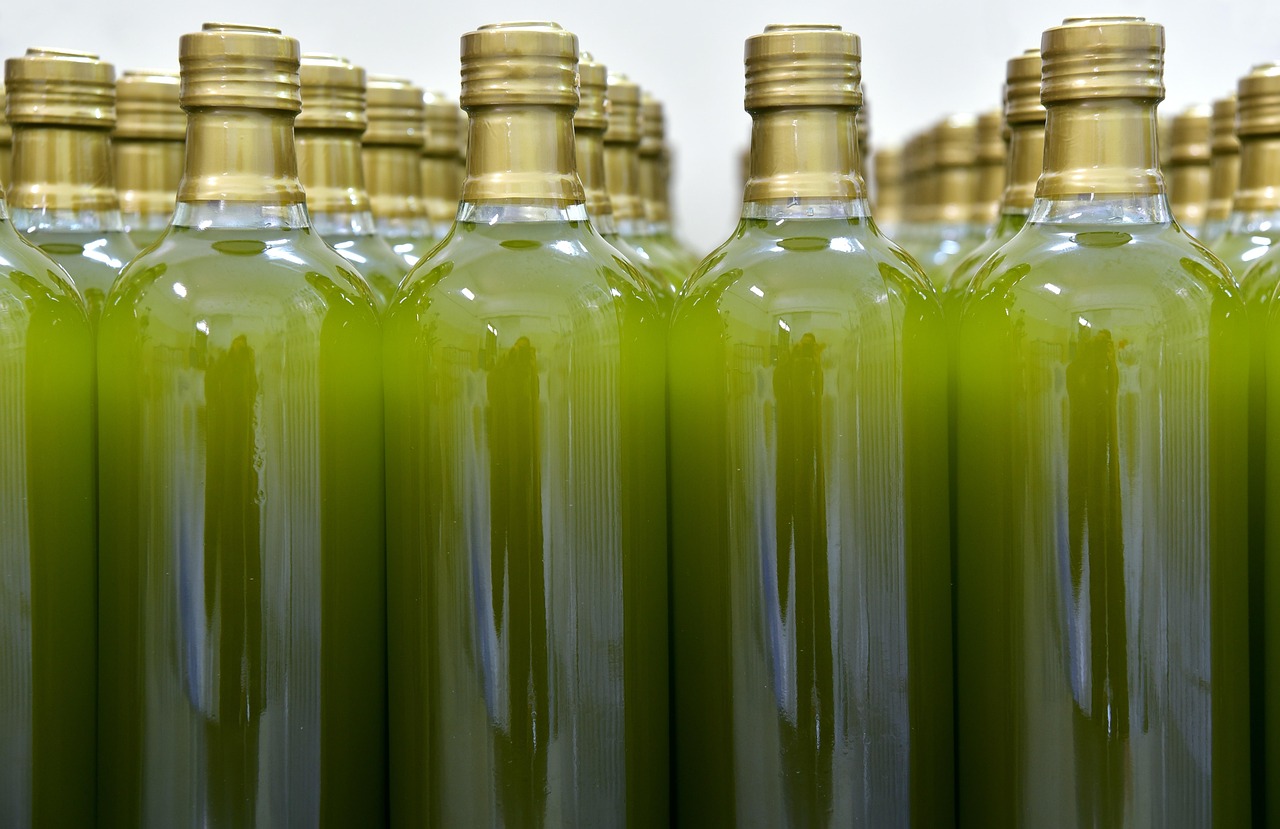
The bottle itself tells a quiet story. Dark glass, food grade tins, or well designed bag in box packaging all protect oil from the light and air that degrade it, while clear glass left in bright light, or thin transparent plastic on a bottle claiming to be premium, suggests a producer who has not thought the whole process through. Once the bottle reaches your kitchen, how to store olive oil covers how to protect what you have bought.
Price deserves genuine scrutiny too. Producing real extra virgin oil is labour intensive work, tending trees year round, harvesting at precisely the right moment, milling within hours, keeping every piece of equipment clean, and a bottle priced far below what that level of care would reasonably cost, particularly one also claiming single origin and extra virgin status, is very likely cutting a corner somewhere. Good oil need not be extravagant, but a genuine early harvest oil from a reputable producer simply cannot be priced like a commodity oil.
The ingredient list should say only extra virgin olive oil, or virgin olive oil, and nothing else. Anything blended with an unspecified vegetable oil, or with a named seed oil such as sunflower, soya or rapeseed, may have its place in the kitchen for certain uses, but it has no business being presented as premium extra virgin. What each grade on a label actually means in regulatory terms is covered in full in olive oil grades explained, and it is worth knowing before you trust any bottle described as pure or light.
Certification is not compulsory, but where it exists it adds real confidence, whether that is Protected Designation of Origin or Protected Geographical Indication marks under the European system, organic certification from a recognised body, or in some countries a seal from an independent olive oil council. Awards from respected tasting panels are not guarantees either, but they do indicate the oil has been assessed by someone other than the producer making the claim.
Your senses are worth trusting above all of this, though. Fresh extra virgin oil should smell and taste of something alive rather than flat or waxy, and exactly what to look for in that aroma and taste, the balance of fruitiness, bitterness and pungency that marks a genuine oil, is set out properly in the olive oil tasting guide, which is worth reading alongside this one rather than repeated here. Colour, by contrast, is one of the least reliable signals available. Fine extra virgin oil ranges naturally from pale gold to deep green depending on variety and harvest timing, and producers of lesser oil know that many buyers instinctively equate green with quality, which makes colour easy to manipulate. The dramatic home tests that circulate online, freezing a bottle, burning a sample, shaking it in a glass, can occasionally offer a clue, but none is definitive on its own, and they are best treated as curiosities rather than verdicts, well behind the checks above in reliability.
Finally, fraud thrives on anonymity, and serious producers are usually glad to talk about their groves, their mills and their methods. Traceable batch or lot numbers, real information about harvest and milling on a producer’s own website, and specific rather than evasive answers to direct questions are all good signs. At Olea Legacy, this principle is taken a step further still, since owners know exactly which tree their oil comes from and are welcome to visit it in person. Own a piece of Greece and the Olea Legacy experience describe this approach in full.
Why it is worth the effort
Beyond the simple disappointment of poor flavour, there are practical reasons to avoid oil that has been misrepresented. Refined or heavily blended oils do not carry the protective phenolic compounds that genuine extra virgin does, which matters to anyone choosing olive oil specifically for its place in a Mediterranean style diet. Blended oils may contain undeclared seed oils that some people need to limit or avoid entirely for allergy reasons, and oil that is already old or oxidised can taste unpleasant and, for some people, cause genuine digestive discomfort. And when a bottle promising heritage and quality turns out to be mediocre, it erodes trust not only in that particular brand but in the whole category, which is a poor reward for the growers and millers who do the work honestly.
How Olea Legacy removes the question entirely
For Olea Legacy, authenticity sits at the centre of the model rather than at its edge. Ownership means a specific tree, or a defined set of trees, in a documented Greek grove. Olives from those trees are harvested at the right moment and milled within hours using modern cold extraction, then stored under carefully controlled conditions and bottled in dark glass, with your own name or chosen dedication on the label and regular updates from the grove itself. There is nothing to dilute, blend or hide, and for anyone who chooses to visit, the trees are there to be seen and stood beneath directly. Oleotourism in Greece offers a fuller picture of what a harvest season visit involves.
None of this requires memorising a body of regulation. Favour a clear harvest date, a specific origin, and honest, unremarkable pricing. Choose dark packaging and store it well once it is home. Trust your senses above the label, and favour producers who are genuinely willing to say where their olives grow and how they are handled. With those habits in place, what ends up in the glass is as honest as the grove it came from.