
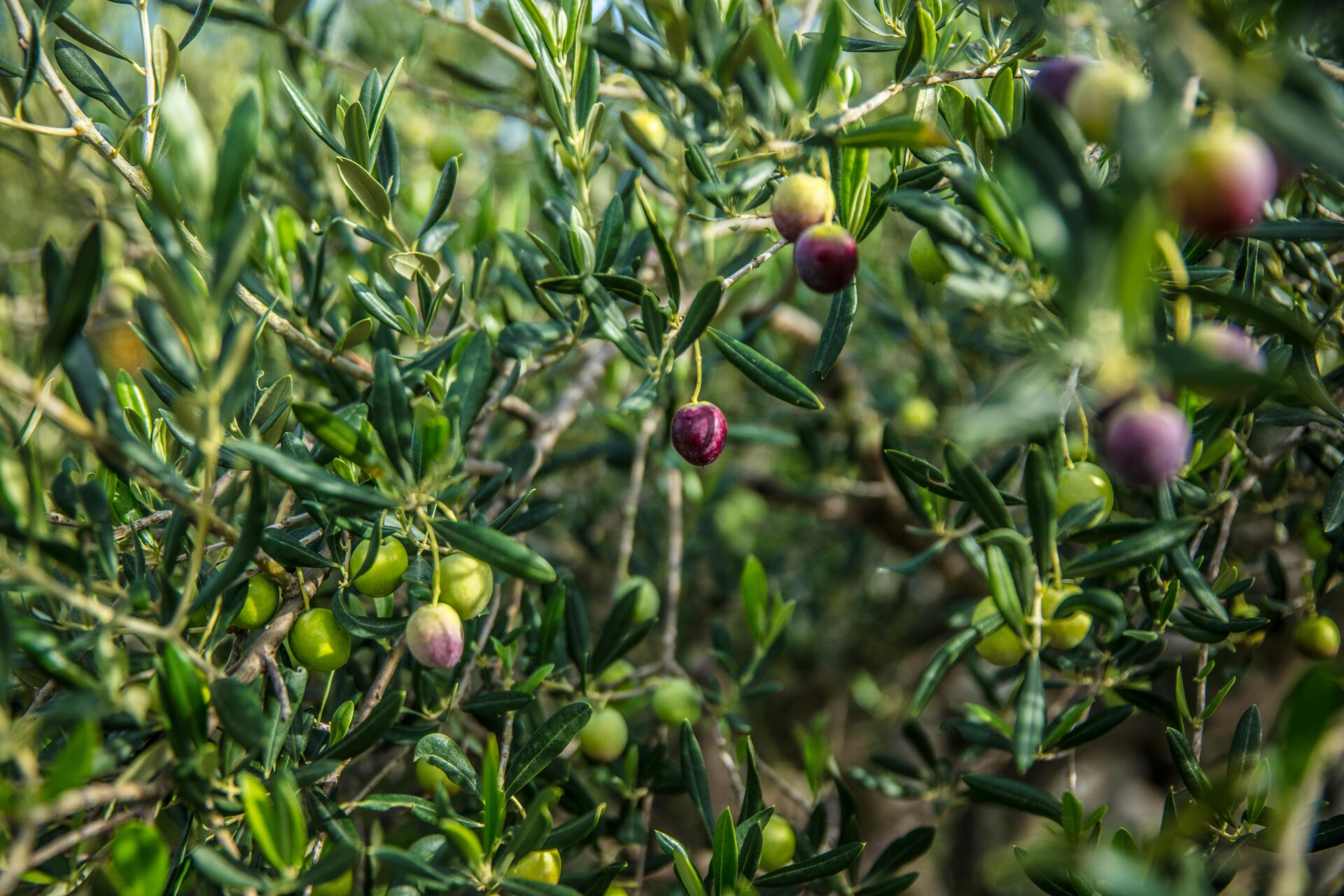
The Ultimate Guide to Olive Varieties.
Discover the Extraordinary World of Premium Cultivars and Flavour Profiles
Picture this scene:
You’re standing in an artisan olive oil shop in Mayfair, surrounded by elegantly designed bottles from Greece, Italy, Spain and France. Each label promises excellence, but the descriptions blur together, fruity, peppery, robust, delicate. You reach for a bottle, hesitate, then another. The truth is, without understanding the olive variety inside, you’re choosing blindly. And when a single bottle costs £50 or more, that’s an expensive gamble.
The variety of olive determines everything about the oil’s character, from its initial aroma to its lingering finish. Yet most luxury consumers know more about wine grape varietals than they do about the olives in their kitchens.
What Makes Olive Varieties So Different from Each Other
Olive varieties, or cultivars, are distinct types of olive trees that have evolved over millennia across the Mediterranean basin and beyond. Much like wine grapes, each variety carries unique genetic characteristics that profoundly influence flavour, aroma, oil content and visual appearance.
Scientists estimate there are approximately 2,000 olive varieties cultivated worldwide, though fewer than 100 dominate commercial production. These cultivars developed in specific regions where environmental pressures shaped their evolution, creating olives perfectly adapted to local terroir. The distinction between olive varieties extends beyond simple classification, each cultivar represents generations of selection and adaptation to particular Mediterranean microclimates.
The genetic makeup of each variety determines critical factors including fruit size, oil yield percentage, ripening period and resistance to climate stress. For instance, the Greek Koroneiki produces remarkably small olives with oil content reaching 27% by weight, whilst the Italian Coratina yields larger fruit with exceptional polyphenol concentrations that contribute both to flavour intensity and health benefits.
The Science Behind Varietal Flavour Profiles
The flavour compounds in olive oil originate primarily from enzymatic reactions that occur when olive flesh is crushed during pressing. Each variety contains different concentrations of volatile compounds, polyphenols and fatty acids that create its distinctive sensory signature.
Three fundamental taste characteristics define olive oil quality: fruitiness, bitterness and pungency. Fruitiness reflects the fresh olive aroma and taste, bitterness derives from polyphenol compounds particularly oleuropein, and pungency creates that characteristic throat tickling sensation from oleocanthal. This remarkable polyphenol, found exclusively in extra virgin olive oil, demonstrates anti-inflammatory properties comparable to ibuprofen whilst offering potential benefits for cardiovascular health, cancer prevention and neuroprotection.
Harvest timing dramatically affects these flavour elements. Early harvest oils from green, unripe olives deliver intense bitterness and peppery notes with higher polyphenol content often exceeding 500 milligrams per kilogram. These oils provide superior health benefits but present more aggressive flavour profiles. Late harvest oils from fully mature olives produce milder, buttery, sometimes sweet characteristics with reduced polyphenol concentrations but greater culinary versatility.
Greek Olive Varieties: Ancient Heritage in Every Drop
Greece cultivates some of the world’s most distinguished olive varieties, shaped by thousands of years of cultivation across diverse microclimates. The country’s olive oil tradition stretches back to Minoan civilisation around 3500 BCE, creating varieties perfectly adapted to rocky, mountainous terrain and Mediterranean weather patterns that define the Greek landscape.
Koroneiki: The Crown Jewel of Greek Olive Oil
Koroneiki reigns as Greece’s most prestigious variety, accounting for approximately 60% of Greek olive oil production. Cultivated extensively across the Peloponnese, Crete and the Ionian Islands, this variety produces extraordinarily high quality extra virgin olive oil that commands premium prices in international markets.
The Koroneiki fruit appears small, elongated and slightly asymmetrical, yet delivers exceptional oil yields despite its diminutive size. Producers require approximately 5 kilograms of Koroneiki olives to produce just 1 kilogram of oil, yet this efficiency combined with consistent quality makes it economically valuable.
The flavour profile of Koroneiki oil presents a complex sensory experience that epitomises Mediterranean character. The initial aroma bursts with fresh cut grass, green leaves and green almond notes, accompanied by wild herbs, artichoke, green pepper and green apple undertones.
On the palate, Koroneiki delivers medium fruitiness balanced with characteristic bitterness and pungency. The taste reveals green apple, banana and fresh herbs like basil and oregano, culminating in a distinctive peppery finish that ranges from gentle to pronounced depending on harvest timing. Quality Koroneiki oils maintain harmonious balance where no single flavour dominates, creating an elegant, well rounded experience.
The oil’s deep, bright green colour and buttery texture make it visually striking and sensorially rich. High polyphenol concentrations contribute exceptional antioxidant properties whilst delivering the robust flavour profile that sophisticated consumers seek. Research confirms Koroneiki oils typically contain between 300 and 700 milligrams per kilogram of polyphenols, with early harvest oils reaching even higher concentrations.
Manaki: The Sweet Aristocrat of Argolis
Manaki, also known as Kothreiki or Glykomanaki, represents one of Greece’s most refined and historically significant varieties. This cultivar thrives primarily in the Argolis region of the eastern Peloponnese, including the ancient territories surrounding Corinth, Argos, Mycenae and Epidaurus where olive cultivation has continued uninterrupted for over 4,000 years.
The Manaki tree demonstrates remarkable resilience, showing strong resistance to cold temperatures and powerful winds that would damage more delicate varieties. Its fruit ripens slowly, developing into black, flavourful olives that serve dual purposes, producing excellent olive oil whilst also creating highly prized table olives.
Manaki oil distinguishes itself through exceptionally low acidity levels and extraordinarily high phenolic content, placing it among the healthiest olive oils available. The flavour profile tends towards the sweeter, more delicate end of the spectrum compared to assertive Koroneiki, offering a refined elegance that appeals to those who prefer subtle complexity over pronounced intensity.
Kalamata: The Legendary Table Olive with Oil Potential
Whilst Kalamata olives are globally recognised as premium table olives, their oil production deserves attention from discerning consumers. Cultivated primarily in the Messenia region of the southern Peloponnese, Kalamata olives produce oils with exceptional phenolic content when harvested early for oil extraction.
These large, almond shaped olives with distinctive purple black colour create oils featuring intense fruity notes balanced with characteristic Greek pungency. Early harvest Kalamata oils demonstrate remarkable polyphenol concentrations, with some reaching over 1,000 milligrams per kilogram, placing them among the most healthful oils available anywhere in the world.
Ladoelia and Other Distinguished Greek Varieties
Ladoelia, also called Ladolia or Kritikia, represents another significant Greek variety cultivated across the Peloponnese, Crete and Ionian Islands. The name literally translates to “oil olive”, reflecting its primary purpose as an oil production cultivar.
Other notable Greek varieties include Kolovi from the Aegean islands, Lianolia Kerkyras from Corfu and surrounding islands, and Adramitini from Lesvos. Each variety carries the distinct characteristics of its microregion, offering discerning consumers remarkable diversity within Greek production alone. The regional variations create opportunities for exploratory tasting that rivals wine’s complexity.
Italian Olive Varieties: Regional Mastery and Culinary Tradition
Italy’s olive oil culture reflects profound regional diversity, with each area cultivating varieties perfectly suited to local conditions and culinary traditions. Italian varieties often emphasise bold, assertive flavours that complement the country’s robust cuisine whilst showcasing remarkable technical sophistication.
Tuscan Varieties: Bold Character and Peppery Excellence
Tuscany produces some of Italy’s most celebrated and distinctive olive oils, characterised by pronounced peppery notes and herbaceous intensity. The region’s dry summers and well drained soils create ideal conditions for developing concentrated flavours that define premium Tuscan oils.
Frantoio stands as one of Tuscany’s most important varieties, cultivated extensively across Tuscany, Umbria and Lazio. The oil delivers intense artichoke leaf, freshly cut grass and green almond notes, accompanied by lovely bitter harmony and persistently peppery aftertaste. This robust character makes Frantoio exceptional for finishing dishes where you want the oil’s presence to shine through.
Moraiolo produces oils exceptionally rich in polyphenols, contributing to pronounced bitterness and spiciness that characterise premium Tuscan production. The flavour profile features strong herbaceous notes with green almond, artichoke and tomato accents, plus an intense, fruity, floral aroma. Moraiolo’s health benefits match its bold flavour, offering exceptional antioxidant concentrations that support cardiovascular function and reduce inflammatory markers.
Olivastra Seggianese presents a more delicate Tuscan option, featuring fresh olive fruit aroma with creamy texture, buttery and nutty taste, and a hint of pepper. This variety demonstrates that Tuscan production encompasses elegance alongside intensity.
Leccino offers exceptional versatility, thriving across multiple Italian regions. This variety produces oils with delicate, captivating flavour featuring freshly cut grass, almond and lightly spicy ending. Leccino’s adaptability and consistent quality make it popular with producers seeking reliable performance across varied terroirs.
Ligurian Excellence: The Delicate Taggiasca
Northern Italy’s Liguria region produces the renowned Taggiasca variety, famous for its mild, fruity character that contrasts sharply with bold southern styles. Taggiasca oils offer light, delicate flavours with subtle almond notes that make them perfect for seafood and fresh salads where you want gentle enhancement rather than dominant presence.
The variety’s restrained character reflects Liguria’s cooler coastal climate, demonstrating how terroir shapes varietal expression. Taggiasca appeals particularly to those who find robust, peppery oils overwhelming, offering sophisticated subtlety instead. The oil’s pale golden colour and gentle mouthfeel create elegant finishing options for delicate preparations.
Southern Italian Power: Puglia’s Robust Varieties
Southern Italy, particularly Puglia, produces some of the Mediterranean’s boldest, most intensely flavoured olive oils. The region’s hot summers and diverse soils create oils with pronounced character that stand up to hearty cooking and strong flavours.
Coratina ranks among the most powerful varieties cultivated anywhere, delivering spicy, bitter, elegant oils with extraordinarily high polyphenol content often exceeding 600 milligrams per kilogram. The strong taste and rich flavour make Coratina ideal for grilling, marinades and dishes where you need the oil to assert itself.
Ogliarola Barese offers deep fruity character with grassy undertones and white fruit notes reminiscent of apple and white peach, followed by light almond aftertaste and spicy ending. This variety provides complexity alongside intensity, creating layered sensory experiences.
Peranzana presents fruity, sweet, grassy flavours with artichoke hints and spicy finish. The variety demonstrates southern Italy’s ability to balance power with refinement, creating oils that work across diverse culinary applications.
Sicilian Treasures: Island Varieties with Distinctive Character
Sicily’s unique geography and climate have fostered distinctive varieties that reflect the island’s complex cultural heritage. Biancolilla produces oils with light olive taste and slightly bitter notes with hints of artichoke and gentle spiciness. Nocellara del Belice serves dual purposes as both table olive and oil producer, creating oils with medium fruitiness and balanced characteristics. Cerasuola delivers medium fruitiness with bitter and spicy notes creating very intense oils perfect for robust Sicilian cuisine.
Spanish Olive Varieties: Global Dominance and Diverse Expressions
Spain produces more olive oil than any other country, accounting for approximately 50% of global production. The nation cultivates over 260 varieties, though three dominate both national production and international markets.
Picual: The World’s Most Planted Variety
Picual represents the single most widespread olive variety globally, accounting for 20% of worldwide production. Native to Jaén province in Andalusia, where it comprises 95% of olive groves, Picual has expanded internationally due to its exceptional characteristics.
The variety produces robust, balanced oil with characteristically intense flavour and slight bitter and spicy touches. The taste profile features notes of wood and freshly cut grass, combined with pronounced green colour and aromas of tomato, fig tree and olive tree.
Picual oil demonstrates remarkable stability due to high natural antioxidant content, making it perfect for cooking applications where other oils would degrade. This stability, combined with intense flavour, makes Picual ideal for accompanying cured hams, sausages, aged cheeses, stews and marinades where the oil needs to enhance rather than be overwhelmed by strong flavours. The oil’s oxidative stability allows it to withstand temperatures up to 210°C without significant degradation.
Arbequina: Delicate Sweetness and Aromatic Complexity
Arbequina represents the stylistic opposite of powerful Picual, offering soft, gentle, fruity character that appeals to those preferring mild oils. The variety dominates Catalonia and extends into Aragon, producing small olives that require manual harvesting but yield exceptional oil extraction rates approaching 20%.
The sensory profile emphasises aromatic complexity, featuring fruity scents of almond, tomato and apple. The taste delivers sweetness and delicacy, creating oils suitable for delicate dishes, raw applications and finishing where you want subtle enhancement.
Arbequina oil shows greater susceptibility to oxidation compared to Picual, requiring careful storage away from light and heat to preserve its delicate characteristics. When properly handled, it provides exceptional versatility for luxury kitchens.
Hojiblanca: Elegant Balance and Versatile Application
Hojiblanca, distinguished by the characteristic white underside of its leaves, originates from Lucena in Córdoba province. It ranks as Spain’s third most widely planted variety, with over 265,000 hectares cultivated primarily across Andalusian provinces including Córdoba, Málaga, Seville and Granada.
The variety serves dual purposes, producing both table olives and oil. The oil presents fragrant character featuring freshly cut grass and artichoke aromas, with a touch of sweetness and slight bitter finish reminiscent of almond.
Hojiblanca demonstrates exceptional versatility, functioning effectively as both cooking and finishing oil. The initial sweetness culminates in gentle spiciness at the end, creating balanced oils that adapt well to diverse dishes from salads to grilled meats. The golden tones and mild flavour make it accessible whilst maintaining sophistication.
Turkish Olive Varieties: Rising Excellence from Ancient Lands
Turkey cultivates 92 distinct olive varieties, with production concentrated in the Aegean and Marmara regions. Turkish oils demonstrate increasing recognition in international competitions, with indigenous varieties showcasing unique characteristics shaped by Turkey’s position bridging Europe and Asia.
Ayvalık: Northern Aegean Sophistication
Ayvalık variety dominates the northern Aegean region, particularly around Balıkesir. These oils present fruity and mild taste profiles with light notes of green leaves and grass. Research confirms Ayvalık oils demonstrate high antioxidant capacity whilst maintaining approachable flavour profiles that appeal to diverse palates. The variety shows excellent adaptability to varied growing conditions, making it valuable for producers expanding into new territories.
Memecik: Robust Aegean Character
Memecik variety, cultivated extensively across İzmir, Aydın and Muğla provinces, produces oils with rich and fruity flavour profiles featuring hints of bitterness and spiciness. Research demonstrates Memecik oils contain exceptional total phenolic content, often surpassing both Ayvalık and Gemlik varieties. The variety shows remarkable drought resistance, making it suitable for areas where irrigation remains unavailable. Oil content exceeds 22%, establishing Memecik as a premium oil production cultivar.
Gemlik: The Breakfast Olive with Oil Potential
Gemlik olives from the southern Marmara region, particularly Bursa province, are primarily consumed as table olives but also produce mild and fruity olive oils. The variety demonstrates high oil content reaching nearly 30% by weight, creating oils rich in oleic acid. Gemlik oils offer buttery, smooth characteristics with gentle finishing notes.
Portuguese and French Varieties: Hidden Gems of European Production
Whilst Greece, Italy and Spain dominate olive oil conversations, Portugal and France produce distinguished varieties worthy of exploration by discerning consumers.
Portuguese Cultivars: Tradition Meets Innovation
Portugal cultivates several indigenous varieties that create distinctive oils reflecting the country’s unique position between Atlantic and Mediterranean influences.
Galega represents one of Portugal’s primary native varieties, cultivated extensively across traditional growing regions. The variety demonstrates adaptation to Portuguese climate conditions, producing oils with characteristic regional flavour profiles featuring moderate fruitiness and balanced bitterness.
Cobrançosa ranks as another significant Portuguese variety, contributing to the country’s distinctive oil expressions with robust character and high polyphenol content. Portuguese producers increasingly combine these native varieties with international cultivars like Arbequina, Frantoio and Picual to create sophisticated blends that showcase both tradition and innovation.
French Provence: Refined Elegance and Subtle Sophistication
French olive oils, particularly from Provence and Languedoc, reflect the refined nature of French cuisine through delicate, nuanced character.
Provençal oils feature delicate floral aromas and subtle almond notes with fresh butter undertones and exceptional balance. Their restraint and nuance make them particularly suitable for delicate dishes where subtlety matters more than power. The region’s diverse microclimates contribute to oils with remarkable versatility and contemporary appeal.
Varieties like Aglandau, Picholine and Tanche demonstrate how restraint can sometimes create the most memorable flavours, offering sophisticated alternatives to more assertive Mediterranean styles. French producers emphasise terroir expression and artisanal production methods that align with luxury consumer expectations.
How Terroir Shapes Olive Oil Flavour Beyond Variety
Variety determines genetic potential, but terroir, the complete environmental context including soil, climate, altitude and geography, ultimately shapes the oil’s final expression. Understanding terroir interactions helps explain why the same variety tastes different depending on where it grows.
Soil Composition and Mineral Influence
Soil type profoundly affects how olive trees absorb nutrients, directly influencing fruit development and flavour. Clay heavy soils typically produce oils with deep, earthy taste, whilst sandy soils result in lighter, fruitier expressions.
Limestone soils contribute bright, citrusy character with clean, mineral finish. Well drained soils, particularly common in Tuscany, create conditions for developing concentrated, intense flavours. The minerals and texture of soil literally translate into taste through nutrient uptake and metabolic processes within the tree.
Rocky, mountainous terrain forces olive roots to penetrate deeply, creating stress that concentrates flavour compounds and increases polyphenol production as trees protect themselves against environmental challenges. Greek Koroneiki grown in Peloponnesian mountains demonstrates noticeably different characteristics compared to the same variety cultivated in Cretan valleys.
Climate Patterns and Temperature Effects
Mediterranean climate, hot, dry summers paired with mild, wet winters, creates ideal conditions for olives to develop rich, varied flavours. Specific climate factors produce measurable impacts on oil characteristics.
Hot, dry summers intensify flavours and boost polyphenol levels, creating more robust, assertive oils. Mild winters support proper dormancy and fruit growth, contributing to balanced development. Seasonal temperature changes add complexity through environmental stress that stimulates protective compound production.
Cold climate conditions produce woody, bitter notes with complex, slow ripened character, whilst warm climates yield viscous, fruity oils with smooth, rounded finish. These climate influences explain regional style differences even when the same variety is cultivated.
Altitude and Geographic Position
Geography adds another dimension to terroir influence. Olives grown at higher altitudes often produce oils with bright acidity and more pronounced polyphenol content due to increased ultraviolet exposure and temperature fluctuations, whilst those from valleys tend towards richer, fuller profiles.
Coastal groves can lend subtle saltiness reflecting maritime influence, whilst mountainside trees develop bold flavours thanks to temperature swings and increased sun exposure. These geographic factors create the distinct taste signatures that make oils from different regions identifiable to trained palates.
Single Origin Versus Blended Olive Oils: Philosophy and Practice
The choice between single origin and blended oils represents fundamental philosophical differences about what excellence means in olive oil production.
The Single Origin Approach: Terroir Expression and Distinctiveness
Single origin olive oils come from olives grown in a specific geographic region, never mixed with oils from other locations. Some producers further restrict single origin to mean one specific grove or estate, creating even more precise terroir expression.
The appeal lies in distinctiveness and authenticity. Each bottle tells a story of a particular place through unique flavour profiles reflecting the land, climate and production methods specific to that region. Single origin oils often present bold fruitiness, pleasant bitterness and peppery finish that awakens the palate.
Single origin oils capture the true essence of a specific grove or region through terroir effects that cannot be replicated elsewhere. The unique combination of soil, climate and local varieties gives each oil flavour deeply expressive of its origin.
From a health perspective, single origin oils typically offer higher concentrations of polyphenols, antioxidants and bioactive compounds closely linked to specific cultivars and regions. These compounds contribute to cardiovascular health, reduced inflammation and antioxidant protection.
Single origin oils work exceptionally well as finishing oils where you want the flavour to shine, particularly in salads, fresh dishes and applications where the oil’s character takes centre stage. They allow chefs and home cooks to play on unique regional flavours, making them invaluable for enhancing body and texture in specific recipes.
The Blending Philosophy: Consistency and Balance
Blended olive oils combine fruits from separate locations, varieties or harvest times to achieve specific flavour targets. Skilled producers create blends that balance intensity with smoothness, creating more uniform taste profiles suitable for diverse applications.
The primary advantages include consistency across batches, versatility for everyday cooking, and more accessible price points. Blended oils tend to be smoother, more balanced and adaptable, making them practical for recipes where subtler oil works better.
However, quality varies enormously in blended oils. Premium producers blend fresh, high quality oils from different estates to create sophisticated, consistent products. Lower quality manufacturers often add older oil to blends, resulting in diminished taste and reduced health benefits.
When choosing blended oils, seek producers who transparently communicate their blending philosophy and use only fresh, premium components. Well executed blends offer legitimate advantages whilst poorly made versions simply disguise inferior quality.
Understanding Polyphenols: The Health Distinction
Polyphenols represent the primary health advantage distinguishing extra virgin olive oil from other edible oils. These natural compounds provide antioxidant, anti-inflammatory and protective properties that contribute to olive oil’s reputation as a functional food.
Key Polyphenolic Compounds
Oleocanthal creates the characteristic peppery sensation in high quality oils whilst demonstrating anti-inflammatory properties comparable to ibuprofen. Research shows oleocanthal may help prevent neurodegenerative diseases including Alzheimer’s through multiple mechanisms including reduction of amyloid beta proteins in brain tissue.
Hydroxytyrosol ranks among the most powerful antioxidants found in nature, contributing to cardiovascular protection and cellular health. This compound derives from oleuropein degradation during olive oil production.
Oleuropein provides the pleasant bitterness in quality oils whilst offering antimicrobial properties and cardiovascular benefits. Early harvest oils contain highest oleuropein concentrations before enzymatic conversion to hydroxytyrosol progresses.
Tyrosol works synergistically with hydroxytyrosol to provide antioxidant protection whilst contributing to overall flavour profile. Research demonstrates tyrosol helps protect LDL cholesterol from oxidation, reducing cardiovascular risk.
Health Benefits of High Polyphenol Oils
The European Food Safety Authority recognises olive oil polyphenols at concentrations of 250 milligrams per kilogram or higher as providing health benefits, specifically protection of blood lipids from oxidative stress. Premium oils often exceed 500 milligrams per kilogram, with exceptional early harvest oils reaching over 1,000 milligrams per kilogram.
Research demonstrates regular consumption of high polyphenol olive oil contributes to reduced inflammation, improved cardiovascular markers, enhanced cognitive function and potentially reduced cancer risk. The compounds work synergistically, creating greater benefits than individual polyphenols alone.
How to Taste Olive Oil Like a Professional
Developing sensory evaluation skills allows you to identify varietal characteristics, assess quality and make informed purchasing decisions. Professional tasting follows structured protocols designed to maximise sensory perception.
The Formal Tasting Process
Begin by pouring one to two tablespoons (15 to 20 millilitres) of oil into a small, tapered glass, ideally a blue or opaque tasting glass that prevents colour from influencing perception. Hold the glass in one hand whilst covering the top with your other hand.
Gently swirl the glass to coat the sides and release aromatic compounds, allowing your hand’s warmth to slightly heat the oil. Notice the viscosity as the oil moves, observing how it flows and clings to the glass.
Remove your covering hand and immediately inhale deeply from the top of the glass. Think about whether the aroma (fruitiness) appears mild or strong. Quality extra virgin olive oil should deliver fresh, fruity aromas including olive, fresh cut grass, aromatic herbs or fresh fruit, all positive attributes.
Take a small sip whilst simultaneously inhaling sharply through your teeth, which heightens flavour perception dramatically by introducing air that volatilises aromatic compounds. Ensure you take enough oil to fully coat your tongue, then let it sit momentarily whilst noting flavours. The fruity characteristics may include nutty, buttery and other ripe flavours alongside a fuller spectrum of green fruity notes.
Close your mouth and breathe out through your nose, this retronasal perception immediately expresses new flavour notes and determines the amount of bitterness on the tongue. Finally, assess pungency, that throat tickling sensation caused by fresh, high quality oil.
Identifying Varietal Markers and Quality Indicators
Different varieties present recognisable flavour markers when tasted systematically. Koroneiki typically shows green apple, herbs and balanced pepper. Picual delivers intense, woody, tomato forward notes. Arbequina presents gentle, sweet, almond character. Frantoio exhibits strong artichoke, grass and persistent pepper.
Bitterness represents an acquired taste but indicates quality and freshness. Anyone who has tasted an olive straight from the tree knows bitter is prominent in fresh olives. Oil made from riper fruit will have little to no bitterness, whilst oil from greener fruit can be distinctly bitter, both are legitimate quality expressions depending on producer intent.
Defects to identify include rancid notes indicating oxidation, fusty character from fermented olives, musty flavours from mould or winey, vinegary tastes from aerobic fermentation. Quality oils should never display these characteristics.
Storing Premium Olive Oil: Preserving Quality and Investment
Proper storage determines whether your investment in premium olive oil delivers its intended benefits or degrades into expensive disappointment.
The Four Enemies of Olive Oil
Light exposure triggers photo-oxidation through chlorophyll acting as photosensitiser, rapidly degrading polyphenols and creating rancid flavours. Always store oils in dark bottles and away from windows or bright kitchen lighting.
Oxygen initiates auto-oxidation through free radical mechanisms, progressively breaking down beneficial compounds whilst creating off flavours. Minimise air exposure by keeping bottles tightly sealed and transferring to smaller containers as you consume the oil.
Heat accelerates all oxidative processes, dramatically shortening shelf life. Store oils at temperatures between 14°C and 18°C (57°F to 64°F) for optimal preservation. Avoid storage near ovens, stovetops or in sunny locations where temperatures fluctuate.
Time inevitably affects even perfectly stored oils as polyphenols naturally degrade and flavours evolve. Use oils within 12 to 18 months of bottling, ideally consuming within 30 to 60 days after opening for peak quality.
Optimal Storage Practices
Dark glass bottles provide superior protection compared to clear glass or plastic containers. Stainless steel containers offer excellent protection for bulk storage. Avoid plastic containers entirely as they permit oxygen transmission whilst potentially leaching chemicals into the oil.
Store bottles in cool, dark cupboards away from heat sources. Consider wine refrigerators or dedicated cool storage if building a collection of premium oils. Refrigeration slows oxidation but may cause temporary cloudiness that disappears at room temperature.
Transfer oils to smaller bottles as you consume them to minimise headspace and reduce oxygen exposure. Use dispensers with automatic closure mechanisms to further limit air contact during use.
Always check harvest dates and select the freshest oils available. Premium producers clearly label harvest dates, allowing informed purchasing decisions that maximise your oil’s remaining shelf life.
Pairing Olive Varieties with Food: A Sophisticated Approach
Matching olive variety to dish creates harmonious combinations that elevate both elements. Understanding varietal characteristics allows strategic pairing decisions.
Delicate Varieties for Subtle Dishes
Mild, fruity varieties like Arbequina, Taggiasca and Hojiblanca work beautifully with delicate foods where you want gentle enhancement rather than overpowering presence. These oils complement fresh salads, steamed vegetables, white fish, seafood and light pasta dishes.
The subtle character allows ingredient flavours to shine whilst adding luxurious mouthfeel and gentle fruity notes. Use these varieties for finishing touches rather than cooking applications where their delicate compounds would be destroyed by heat.
Pair Arbequina with delicate white fish like sole or sea bass, drizzle Taggiasca over burrata with heirloom tomatoes, or finish fresh pasta with Hojiblanca to create refined presentations where the oil enhances without dominating.
Robust Varieties for Bold Flavours
Intense varieties including Picual, Koroneiki, Coratina and Moraiolo pair excellently with strong flavours that would overwhelm milder oils. These robust oils work with grilled meats, aged cheeses, hearty stews, cured meats and richly flavoured vegetables like aubergine.
The pronounced bitterness and pungency cut through fat and richness whilst standing up to powerful seasonings and marinades. These varieties also excel in cooking applications where their stability and concentrated flavour survive heat.
Drizzle Coratina over grilled ribeye steak, pair Koroneiki with aged Manchego cheese, use Picual for marinating lamb, or finish white bean soup with Moraiolo to create bold, memorable flavour combinations.
Versatile Medium Intensity Options
Balanced varieties such as Frantoio, Leccino and Hojiblanca offer versatility across diverse applications. Their moderate intensity works for everyday cooking, pasta dishes, roasted vegetables, grains and general finishing.
These oils provide enough character to contribute meaningfully to dishes whilst remaining adaptable enough for varied cuisines and preparations. For households wanting a single premium oil, well balanced medium intensity varieties offer the most practical choice.
Quality Certifications and Authenticity Markers
Understanding quality indicators helps navigate the complex olive oil marketplace where mislabelling and fraud remain persistent concerns.
PDO and PGI Designations
Protected Designation of Origin (PDO) status ensures oils originate from specific geographic areas using traditional production methods. These designations guarantee authenticity and connection to terroir. Examples include Kalamata PDO from Greece, Chianti Classico PDO from Tuscany, and Sierra de Cazorla PDO from Spain.
Protected Geographical Indication (PGI) certifications provide slightly broader geographic scope whilst maintaining quality standards and regional character. These designations offer confidence in purchasing decisions for consumers seeking authentic regional products.
International Competition Awards
Recognition from prestigious competitions including the New York International Olive Oil Competition, Leone d’Oro in Italy, or Athena International Olive Oil Competition provides independent quality validation. Award winning oils demonstrate excellence verified by expert panels using standardised tasting protocols.
Chemical Analysis Standards
Extra virgin designation requires meeting strict chemical parameters including free acidity below 0.8%, peroxide value below 20 milliequivalents per kilogram, and absence of sensory defects. Premium oils typically demonstrate acidity below 0.3% with peroxide values well below maximum thresholds.
Polyphenol content, whilst not required for extra virgin classification, provides valuable quality indication. Oils exceeding 250 milligrams per kilogram qualify for European health claims, whilst oils surpassing 500 milligrams per kilogram demonstrate exceptional quality suitable for both culinary and health applications.
Frequently Asked Questions
What is the best olive variety for health benefits?
Varieties high in polyphenols offer the greatest health benefits, particularly Koroneiki, Coratina, Moraiolo and Picual. Early harvest oils from these varieties contain exceptional antioxidant concentrations that contribute to cardiovascular health and reduced inflammation. Greek Manaki also ranks exceptionally high in phenolic content whilst delivering very low acidity. Research demonstrates oils with polyphenol concentrations exceeding 500 milligrams per kilogram provide measurable anti-inflammatory effects comparable to low dose pharmaceutical interventions.
Do different olive varieties have different nutritional profiles?
Yes, varietal differences significantly affect polyphenol content, antioxidant levels and fatty acid composition. Robust, peppery varieties typically contain higher polyphenol concentrations than mild, buttery varieties. Single origin oils from specific high polyphenol varieties offer superior nutritional profiles compared to generic blends. Oleic acid content, whilst relatively consistent across varieties, shows some variation with implications for cooking stability and cardiovascular benefits.
How do I know which variety is in my olive oil bottle?
Quality producers clearly label the variety on premium single origin bottles. If the label only states “extra virgin olive oil” without specifying variety or origin, it likely contains a generic blend. Seek bottles that transparently communicate variety, harvest date, origin and producer information. Avoid oils providing only country of origin without specific regional designation or varietal information.
Should I choose single origin or blended olive oil?
Single origin oils offer distinctive character, terroir expression and typically higher polyphenol content, making them ideal for finishing and situations where flavour matters most. Quality blends provide consistency and versatility for everyday cooking. Sophisticated kitchens benefit from having both types, single origins for special applications and good blends for regular use. Consider single origins as comparable to single vineyard wines, whilst blends serve purposes similar to consistent wine house styles.
Does olive variety affect cooking performance?
Absolutely. Robust varieties like Picual with high natural antioxidants demonstrate superior stability for cooking applications, maintaining quality at temperatures up to 210°C. Delicate varieties like Arbequina are more prone to oxidation and work better as finishing oils. Match variety characteristics to intended use, cook with stable, robust varieties and finish with distinctive, delicate ones. The oxidative stability directly correlates with polyphenol content, making high polyphenol varieties appropriate for both health benefits and cooking performance.
Why does the same variety taste different from different producers?
Terroir factors including soil, climate, altitude and geography profoundly influence varietal expression. Harvest timing, processing methods and storage also create significant variation. The same variety grown in different regions or handled differently will produce notably different oils, which is why origin matters as much as variety. A Koroneiki olive from mountainous Crete develops different characteristics compared to Koroneiki from coastal Peloponnese, even when processed identically.
Are rare or unusual varieties better than common ones?
Not necessarily. Common varieties like Picual, Koroneiki and Frantoio dominate production because they offer exceptional quality, consistency and agronomic advantages. Rare varieties can be interesting and distinctive, but popularity often reflects genuine merit rather than marketing. Focus on quality, freshness and appropriate matching to your needs rather than rarity alone. Many rare varieties remain obscure because they present production challenges or inconsistent quality rather than because they offer superior characteristics.
What does early harvest versus late harvest mean?
Early harvest oils come from green, unripe olives picked at the beginning of the harvest season, typically September through October in the northern hemisphere. These oils deliver intense flavour, high polyphenol content, pronounced bitterness and peppery finish. Late harvest oils come from fully mature, darker olives harvested later in the season, producing milder, sweeter, more buttery characteristics with lower polyphenol concentrations but greater culinary versatility. Both represent legitimate quality expressions serving different purposes.
How long does premium olive oil last?
Properly stored premium olive oil maintains quality for 18 to 24 months from harvest date. After opening, consume within 30 to 60 days for peak polyphenol retention and flavour. However, oils stored under poor conditions (light, heat, oxygen exposure) degrade within weeks regardless of bottle date. Always prioritise harvest date over best before dates when evaluating freshness. Premium producers clearly label harvest dates, allowing informed purchasing decisions.
The Journey from Knowledge to Experience
Not all olive varieties are suitable for private ownership. At Olea Legacy, we prioritize trees that combine longevity, oil stability, and cultural heritage…
Understanding olive varieties transforms how you experience olive oil, from anonymous ingredient to expressive reflection of place, tradition and craft. The genetic heritage within each Koroneiki, Picual or Frantoio cultivar carries millennia of Mediterranean history, whilst terroir adds the distinct signature of specific groves and seasons.
Whether you choose the peppery intensity of early harvest Koroneiki from the Peloponnese, the robust stability of Spanish Picual, or the delicate refinement of Ligurian Taggiasca, you’re selecting far more than flavour, you’re choosing a philosophy about quality, authenticity and connection to origin.
Single origin oils invite you to explore these distinctive expressions with clarity and precision, whilst thoughtfully crafted blends demonstrate how skilled producers harmonise different characters into balanced excellence. As you develop your palate through systematic tasting and informed pairing, olive oil evolves from kitchen staple to sophisticated pleasure that rivals wine in complexity and cultural significance.
The varieties explored in this guide represent merely the beginning of a lifelong journey into one of humanity’s oldest and most cherished culinary treasures, a journey where each bottle tells a story, each variety offers unique character, and each tasting deepens your appreciation for the extraordinary diversity within those ancient trees that have nourished Mediterranean civilisation for over 6,000 years.
For a deeper exploration of Greek olive cultivation, quality standards, and the complete journey from ancient groves to premium EVOO, explore our comprehensive Greek olive tree guide.