
How Olive Oil Is Made.
Traditional vs Modern Extraction Methods
The decision that shapes everything that follows
Once olives reach the mill, one choice does more than any other to decide what kind of oil eventually reaches the bottle, the method by which the oil is separated from the fruit. For most of history there was only one answer, mechanical pressure. Today there are two, and the difference between them is not simply a matter of tradition against modernity. It is a difference that shows up directly in aroma, in polyphenol content, and in how long an oil holds its character. Understanding that difference is worth far more than any phrase printed on a label.
Traditional pressing, and what centuries of practice achieved
For generations, oil was extracted through pressure alone. Crushed olive paste was spread across fibre mats, stacked, and pressed, first by hand and stone, later by hydraulic systems, forcing oil and water through the fibres to separate by gravity and time. There is genuine appeal in this method. The equipment is simple, the language of first press and cold pressed still carries real weight with buyers, and when carried out with real skill at low temperature, traditional pressing can produce oil of real quality.
The difficulty lies in what the method cannot control as tightly as its successor. Paste left in prolonged contact with air invites oxidation, and where malaxation runs too long or temperature control slips, a meaningful share of polyphenols is lost before the oil ever separates. Pressing is also strictly a batch process, slower by nature, and the fibre mats at its centre are genuinely difficult to keep free of the residual moisture that invites contamination between batches. None of this means traditional pressing produces poor oil. It means the margin for error is considerably narrower than it is with the method that has largely replaced it.
Modern extraction, and the case for centrifugation
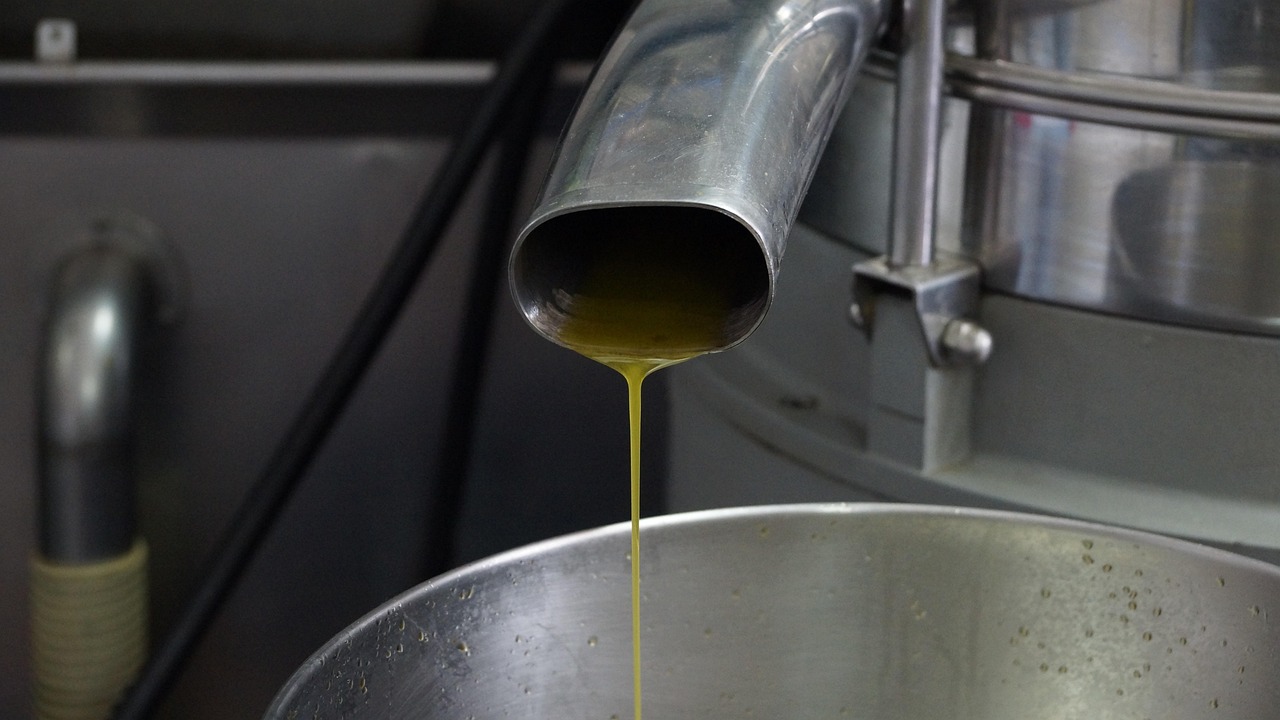
Contemporary mills rely on continuous centrifugation rather than pressure. The crushed paste, its temperature actively held below the twenty seven degree threshold that defines genuine cold extraction, passes through a horizontal centrifuge spinning at high speed, which separates oil from water and solid matter in a matter of seconds rather than the hours pressing requires. That speed alone accounts for much of the advantage, since it sharply reduces the time available for oxidation to do its quiet damage to the oil’s more delicate compounds.
A further distinction sits within this modern approach and is worth knowing. Older three phase centrifuges added warm water during separation, which drew a meaningful share of polyphenols out of the oil and into that water. Two phase systems, now the standard among quality focused mills, remove that step entirely, and the difference in what survives into the finished oil is considerable. Taken together, sealed and rapid processing, precise temperature control, and the absence of any added water give centrifugation a genuine, evidenced advantage in preserving the compounds that give premium oil both its character and its health value, particularly the more fragile ones such as oleocanthal, which are the first to suffer when extraction is slow or warm.
It would be a mistake, though, to read this as tradition losing to technology in every case. Research into certain Cretan oils produced by careful, low temperature stone pressing has found polyphenol levels considerably higher than many commercially centrifuged oils from elsewhere. What that finding actually confirms is that variety and harvest timing matter enormously, and that a traditional method executed with real precision can still perform beautifully. Once those two variables, cultivar and harvest date, are held equal, though, modern centrifugation consistently preserves more of what an early harvest oil has to offer than pressing does.
The phrase worth reading past
Few terms on an olive oil label carry more unearned prestige than first cold pressed. It survives from an era when hydraulic pressing genuinely involved a first extraction followed by a second, lower quality pass using hot water on the leftover pomace, a practice modern mills abandoned long ago. There is no regulatory definition of the phrase under European or International Olive Council standards, which means it guarantees nothing about how an oil was actually made. An oil pressed the traditional way from fully ripe, late harvest fruit can carry the phrase with complete honesty while still containing meaningfully fewer polyphenols than a centrifuged early harvest oil beside it on the same shelf. The details worth trusting instead, harvest date, early harvest designation where genuinely earned, and a producer willing to stand behind their process, matter considerably more than the extraction language on the front of the bottle.
Why the method chosen still matters to you
None of this technical difference is abstract once it reaches the table. The speed and temperature control of modern extraction is precisely what protects the volatile aromatics and the peppery finish that define a genuinely premium early harvest oil, a subject explored in full in high polyphenol olive oil and in early harvest olive oil. The finest Greek mills today increasingly bring both sides of this story together, heritage cultivars such as Koroneiki, harvested early for maximum character, then processed through precise, two phase centrifugation that gives that fruit every chance to reach the bottle intact. For the earlier part of this same journey, from grove to the moment of extraction, the olive oil production process tells the fuller story, and for what happens once the oil leaves the mill, how to store olive oil picks up where this leaves off.