Why Luxury Is Moving Beyond Possession,
And What Comes After the Experience
The luxury world has been telling a particular story for the last decade. The story goes like this: possession is over. Objects are out. Experiences are in.
The most sophisticated consumers are no longer buying things, they are buying moments, memories, access, and meaning. The handbag has given way to the private journey. The watch has been joined by the curated retreat. Ownership has been supplemented, and in some cases supplanted by experience.
This story is largely true. The data behind it is substantial and consistent. Bain and Altagamma’s annual Luxury Goods Worldwide Market Study identified a persistent and crucial trend among consumers globally, favouring experiential indulgence over conspicuous consumption as the new symbol of status, pivoting toward wellness, connection, and self-reward, a drastic shift toward luxury experiences such as hospitality, cruises, and fine dining, and away from traditional luxury goods. Euromonitor’s research confirms that over 70 per cent of affluent consumers place greater value on experiences than material goods, with experiential categories now outpacing traditional luxury goods. Forbes Luxurycommunicationscouncil
But the story has a problem that nobody in the luxury industry has yet addressed directly.
Experiences end.
The Limitation That the Experience Economy Has Not Solved
A curated journey through the Greek islands concludes when the boat docks. A private dining experience ends when the last course is cleared. A wellness retreat finishes when the car arrives to take the guest to the airport. However extraordinary any of these things are, and the finest among them are genuinely extraordinary, they share a structural characteristic that possession, for all its limitations, does not have.
They are temporary.
The experience economy solved one problem. The diminishing returns of accumulation, the treadmill of acquiring more things that produce less satisfaction, and in doing so created a different one. The search for the next experience replaces the search for the next object. The calendar fills with curated moments. The memory bank accumulates. But the underlying dynamic, the pursuit of something new to fill the space left by the last thing, remains structurally the same.
Forbes reported in June 2026 that the luxury goods market is undergoing a significant structural reset, with consumers seeking deeper meaning and personal fulfilment from luxury, moving beyond mere status or self-expression. The “crisis of meaning” is evident in falling luxury handbag sales, with brands now facing a “permission economy” where consumers are highly discerning, demanding long-term relevance and emotional resonance from purchases. P&C Global
The language of the industry’s own analysis is telling. Meaning. Relevance. Emotional resonance. Long-term. These are not the words of an industry that has found its answer in the experience economy. They are the words of an industry that is still searching.
What the Most Thoughtful Individuals Are Discovering
The individuals who have travelled furthest along the arc from possession to experience, who have assembled the finest objects and had the most extraordinary experiences, are arriving at a question that neither the possession model nor the experience model fully answers.
Not what to own. Not what to experience. But what to be part of.
This is a subtly but significantly different question. Ownership is a relationship with something you possess. Experience is a relationship with something you move through. Being part of something is a relationship with something that continues, that was here before you arrived and will be here after you have gone, that does not conclude when your time with it concludes, that does not require you to seek the next thing because it generates something new from itself each year.
Stuart McNeill, CEO of Knightsbridge Circle, has observed that since the post-lockdown period, affluent families have placed greater value on access, time, and personal enrichment, seeing experiences as more emotionally resonant and socially meaningful than material possessions alone, a broader move towards curating a lifestyle rather than accumulating possessions, defined by access, authenticity and shared experiences that strengthen personal bonds and build a meaningful family narrative across generations. Style Rave
That last phrase is the one worth holding. A meaningful family narrative across generations. This is not what an experience delivers. An experience delivers a memory, vivid, personal, and treasured, but ultimately concluded. A meaningful family narrative across generations requires something that continues across those generations. Something alive.
The Third Stage That Nobody Has Named
The luxury conversation has moved through two stages that are now well documented. The first stage was possession. The accumulation of fine objects, the assembly of collections, the building of estates and cellars and archives. The second stage was experience. The shift from owning things to doing and feeling things, the rise of curated travel, private access, and bespoke encounter.
The third stage is beginning to emerge, and it has not yet been named. It is the stage in which the most thoughtful individuals are looking for something that is neither an object to possess nor an experience to consume. Something that is alive. Something that continues. Something that generates new experience from itself each season without requiring the holder to seek the next thing.
Marriott International’s Luxury Group has recognised this shift, announcing a transformative strategy centred on wellbeing, connection, cultural immersion, and legacy living, responding to a powerful shift in the world’s most affluent travellers that has redefined the pursuit of luxury as shaped not by possessions, but by emotional return on investment. Euromonitor International
Legacy living. This is the language of the third stage. Not the legacy of what you leave behind, the conventional sense of legacy as memorial, but the legacy of something you are part of while you are alive. Something that grows alongside you, that produces something new each year, that carries your name and your story forward into seasons you have not yet lived.
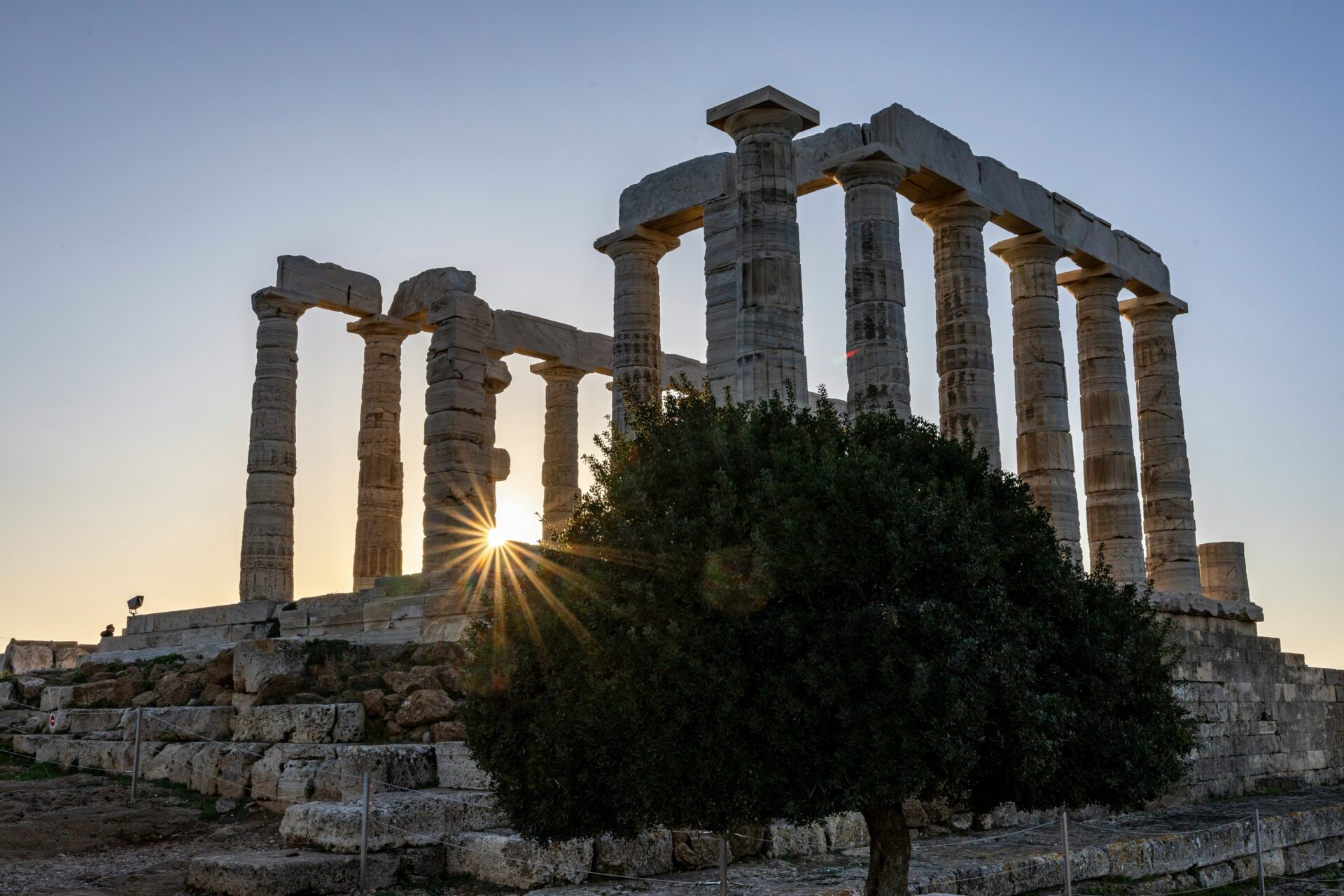
An ancient olive tree in a historic Greek grove is the most complete expression of this third stage currently available anywhere in the world.
Why a Living Legacy Resolves What Possession and Experience Cannot
The ancient olive trees of Greece are not objects to be possessed. They are not experiences to be consumed.
They are living legacies as we like to call them. They are growing, producing, changing across seasons, and generate new encounter with the holder each year without the holder having to seek it out.
Each autumn, the tree produces olives. Those olives are harvested and pressed into ultra-premium extra-virgin olive oil that travels from the specific grove to the holder’s specific table. The olive oil is not a product. It is the direct result of that tree’s life in that particular year, its response to the season’s weather, its expression of the soil it has deepened its roots into for centuries, its particular character in that year’s conditions. It arrives as something genuinely new, not a repetition, not a re-creation, but a fresh expression of a living relationship that continues independently of the holder’s other preoccupations.
This is what resolves the limitation of the experience economy. The experience of receiving olive oil from your specific olive tree or grove in your specific year is not something you book, curate, or seek. It comes to you. It arrives as evidence that a living relationship is continuing, that the tree is well, that the harvest was good, that the connection to a real place in the world is alive. And then it comes again the following year, and the year after that, carrying something slightly different each time because the living legacy that produced it is itself different each year.
The Luxury Communications Council, analysing the three shifts reshaping luxury value in 2026, identified that the most resonant luxury communication reinforces permanence, stewardship, and generational value, most famously expressed through Patek Philippe’s enduring idea that you never truly own a Patek, you merely look after it.
Olea Legacy does not borrow this idea from a watch brand. It embodies it in a living legacy. You do not own an ancient olive tree in Greece. You steward it for the years you hold it, and for whoever holds it after you.
The Luxury That Arrives Rather Than Being Sought
The most profound shift in the luxury conversation is not from possession to experience. It is from seeking to receiving. From the active pursuit of the next thing to the quiet anticipation of what a living relationship will bring next.
The finest experiences in the luxury world are those that surprise, that deliver something the guest did not anticipate, that create a moment that could not have been engineered in advance. The finest living legacy holdings do this continuously and without effort. The olive oil that arrives each autumn is a surprise in the most genuine sense. The holder does not know precisely what this year’s harvest will taste like, how the polyphenol concentration will compare to last year, what the particular character of this season’s pressing will be. They find out when the bottle arrives.
That combination, the certainty that something will come, and the genuine uncertainty of what it will bring, is what the experience economy has been trying to replicate and has not yet managed to. It is what a living thing provides that no curated journey, however extraordinary, can match.
For the foundational account of what a living legacy is and why it matters now, the Living Legacy Guide provides the comprehensive framework. For those exploring the specific distinction between living assets and traditional ones, and why that distinction matters for anyone thinking seriously about what they hold, the article Living Assets Versus Traditional Assets examines the framework in depth. For those for whom this resonates as the right moment to begin, the Ownership page provides the full account of how stewardship is structured at Olea Legacy.
What Comes After the Experience
The luxury world is not finished moving. The shift from possession to experience was the first great reorientation. The shift from experience to living relationship is the one that is beginning now, quieter, less visible in the market data, but more significant in what it means for the individuals who arrive at it.
These individuals are not rejecting objects or experiences. They are adding something that neither category provides. A relationship with a living legacy that continues across seasons, that generates something new from itself each year, and that carries their name forward into time they will not live to see.
The ancient olive trees of Greece have been doing this for centuries. The people who held them before you are gone. The people who will hold them after you are not yet born. In the years between, the tree grows, produces, and continues, indifferent to markets, unbothered by trends, and faithful to the single relationship it has with the soil it grows from and the people who tend it.
That is what comes after the experience. And it has been waiting in Greece for a very long time.
To begin a private conversation, start with the Contact page.