
Olive Tree Carbon Sequestration & How Your Tree Offsets Carbon for a Greener Legacy
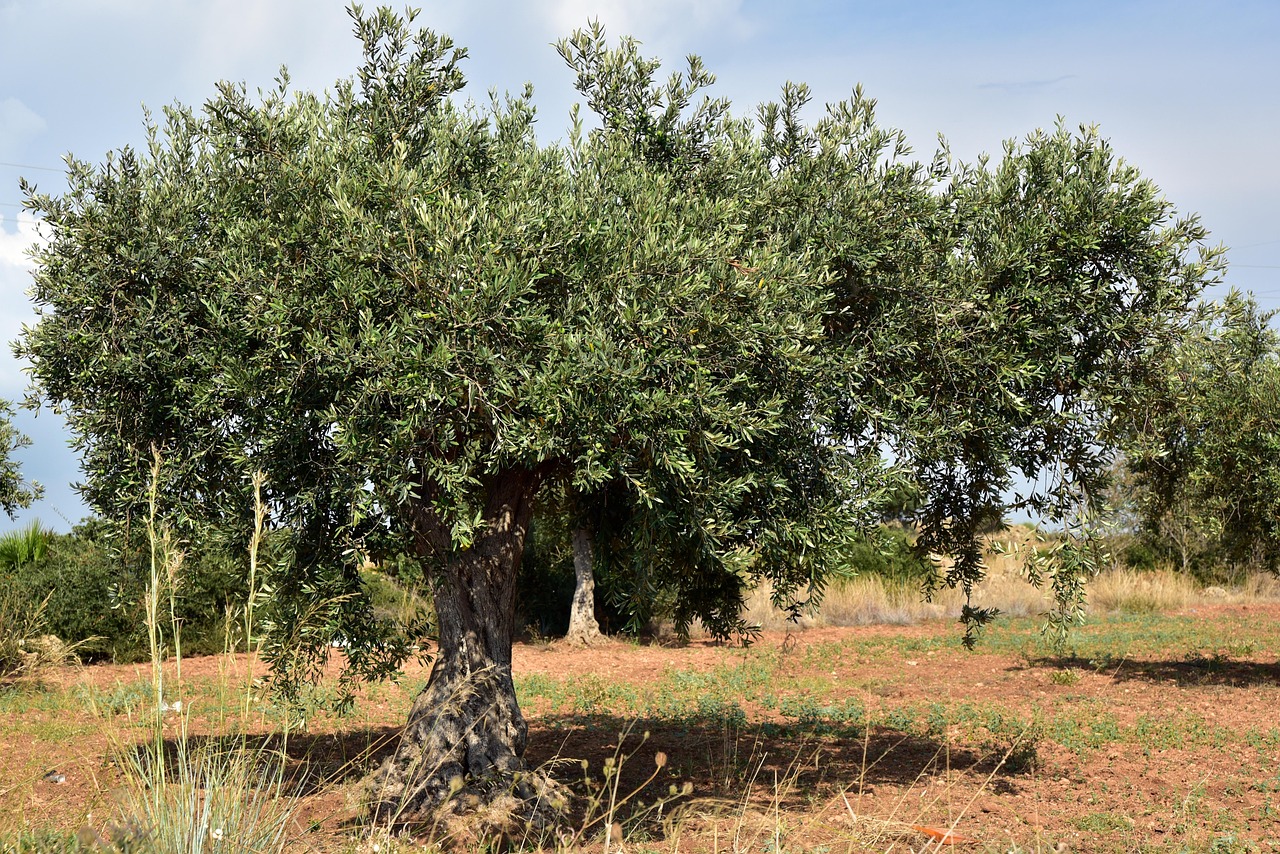
When you look at an ancient olive tree, you see more than twisted bark and silver leaves. You see a living engine of sustainability, since olive trees are not only cultural icons of Greece but genuine allies against climate change. Through carbon sequestration, they capture carbon dioxide from the atmosphere and store it in their trunks, roots, and the soil around them, and owning one with Olea Legacy means leaving behind more than a bottle of olive oil. It means a genuine legacy of environmental stewardship.
What Carbon Sequestration Actually Involves
Carbon sequestration is the process by which a tree captures and stores atmospheric carbon dioxide, absorbing it through photosynthesis, converting part of it into oxygen and biomass, and storing the remainder in wood, root, and soil. Olive trees are especially effective at this because they live for centuries, sequestering carbon continually across a lifespan that most other cultivated species cannot come close to matching.
Why Olive Trees Make Such Effective Carbon Sinks
Their longevity is the first reason. Unlike short lived crops, olive trees can live for hundreds, even thousands of years, making them genuinely long term carbon banks rather than a seasonal contribution. Their evergreen nature matters too, since unlike deciduous trees, olives photosynthesise almost year round in a Mediterranean climate, maximising the carbon dioxide they absorb across every season rather than only some of them. Their deep root systems anchor carbon into the soil itself, improving soil health while storing carbon underground for decades, and the dual nature of the grove adds a further layer, since it is not only storing carbon but producing extra virgin olive oil, a product with a meaningfully lower carbon footprint than most animal based fats.
How Much Carbon a Tree Actually Offsets
The figures vary with climate and farming method, but a mature olive tree typically sequesters somewhere in the region of twenty to forty kilograms of carbon dioxide each year, and a grove of a hundred trees can offset two to four tonnes annually as a result. Across a lifespan measured in centuries rather than decades, a single tree becomes a genuine carbon reservoir, offsetting emissions equivalent to thousands of individual car journeys or flights over its full life.
Olive Trees Under a Changing Climate
As global temperatures rise, agriculture broadly comes under real pressure, yet olive trees remain unusually resilient, thriving in dry, rocky soil, adapting comfortably to Mediterranean drought cycles, and supporting biodiversity by hosting pollinators and ground flora that struggle in more intensively farmed land. Supporting olive tree ownership helps maintain groves that might otherwise be abandoned, protecting the landscape from erosion, desertification, and the loss of biodiversity that follows when cultivation stops.
What Ownership Through Olea Legacy Actually Supports
Owning a Greek olive tree through Olea Legacy means producing genuinely personal olive oil, but it also means actively supporting a living carbon sink, helping sustain historic groves, offsetting a real part of your own lifestyle emissions, and leaving behind a tangible, environmentally conscious legacy for whoever comes after you. It is luxury carried with responsibility, and tradition carried with genuine sustainability, rather than either standing alone.
The Wider Benefits Beyond Carbon Alone
Carbon storage in soil improves fertility and reduces erosion, strengthening the wider ecosystem around a grove rather than only the trees within it. Maintaining centuries old groves preserves Greece’s rural landscape and cultural heritage directly, and sustainable farming of this kind keeps rural communities genuinely alive, reducing the migration away from villages that intensive, short term farming tends to accelerate. The oil these groves produce carries its own benefit too, since high polyphenol, early harvest oil of the kind Olea Legacy produces delivers real antioxidant health benefit alongside its sustainable production.
Putting the Impact in Perspective
A single Olea Legacy tree offsets up to forty kilograms of carbon dioxide annually, which across fifty years amounts to roughly two tonnes, equivalent to driving from Athens to London some twenty times over. Owning several trees or a wider grove scales that impact accordingly, and unlike a conventional carbon credit, this impact is entirely personal and tangible. You can visit your tree in Greece, watch it grow, take part in its harvest, and know directly that your own choice is contributing to both luxury and genuine sustainability at once.
Through ownership and experience together, Olea Legacy turns olive oil into something considerably more than a product, a climate positive legacy that continues for as long as the tree itself does.
Frequently Asked Questions
How do olive trees compare with other trees for carbon storage?
Olive trees store less carbon annually than large oaks or pines, but their exceptional longevity and near year round evergreen photosynthesis make them highly effective as long term carbon sinks despite the lower annual figure.
Does producing olive oil itself release carbon emissions?
Yes, but olive oil already carries one of the lowest carbon footprints of any fat available, and the tree’s own carbon absorption offsets a meaningful share of the emissions its production creates.
Can owning an olive tree genuinely help offset flights or driving?
A single tree offsets roughly forty kilograms of carbon dioxide a year, and while that alone will not offset a long haul flight, multiple trees held over time contribute meaningfully to a genuine reduction in personal lifestyle emissions.
A Living, Ongoing Contribution
Carbon sequestration is not an abstract concept here. It is happening every day, quietly, in olive groves across Greece. Owning a tree with Olea Legacy means enjoying genuinely personal olive oil while also supporting real sustainability, preserving culture, and building a legacy that continues to give back for as long as the tree stands. Luxury becomes something worth having when it leaves behind more than a memory, when it leaves behind a genuinely greener landscape.