What You Steward Matters More Than What You Built
I want to begin with something I noticed when I was developing Olea Legacy that I did not expect to notice.
The people who were most immediately drawn to the concept, who understood it before I had finished explaining it, who leaned forward rather than back when I described what we were building, were almost never the people at the beginning of something. They were the people who had already built something. Founders who had exited. Executives who had reached the top of a structure and found it quieter than anticipated. Individuals who had accumulated what they intended to accumulate and were living, for the first time, with the question of what that accumulation was actually for.
What they were looking for was not a financial return. It was not another impressive addition to a portfolio. It was something harder to name but immediately recognisable when you encounter it: the sense of being genuinely responsible for something alive. Something that needed their attention not in the urgent, demanding way that building had needed it, but in a different and somehow more honest way. Something that would still be there next year, and the year after, and that would reflect the quality of the care it received.
They were looking, though most of them would not have used this word at that stage, for something to steward.
Why the Building Standard Eventually Runs Out
For most of modern economic and cultural history, the measure of a successful life was relatively clear. You built something. You owned something. You accumulated evidence, in titles, in balance sheets, in the recognition of peers, that you had done more with the time available than most people around you.
Building something is genuinely admirable. The qualities it requires. sustained focus, intelligent risk-taking, the capacity to maintain conviction through setbacks, the ability to bring other people along. are rare and genuinely valuable. The person who has built something significant has done something real.
But the building standard has a structural limitation that the most accomplished people tend to encounter eventually. It is a standard that is always oriented toward the future. The next milestone, the next acquisition, the next level of growth. And when the future contracts, when the building is done, or when the person building it reaches a point where continuing to build feels like running a treadmill rather than making progress, the standard that has organised the entire effort suddenly provides no guidance at all.
Legacy is not ultimately measured by what you accumulate. Success reaches a point where accumulation alone no longer satisfies the deeper needs of the human soul. Angelina Carleton
And the person who has reached it genuinely, who has built enough to know that building more will not answer the question, is not facing a problem. They are facing the most interesting question available to a human life at that stage of it.
What do I steward?
What Stewardship Asks of You
The distinction between building and stewarding is not that building comes first and stewardship comes after. It is that they ask fundamentally different things of the person engaged in them.
Building asks for creation. Stewardship asks for responsibility. Building is oriented toward a goal. Stewardship is oriented toward an obligation, not a goal to be reached but a relationship to be maintained. Building rewards the qualities of ambition, urgency, and competitive drive. Stewardship rewards different qualities entirely: patience, attention, consistency, and the specific willingness to care for something that cannot be optimised or accelerated.
Stewardship does not mean avoiding growth. It does not mean minimising ambition. Instead, stewardship reflects a mindset of responsibility and intention. It asks: what is this wealth meant to support? And success is measured by the alignment of one’s purpose with one’s decisions, rather than simply by the accumulation of more. Waverly Advisors
The people who navigate the transition from building to stewarding most successfully are those who recognise early that the two are not simply different phases of the same activity. They are different practices, requiring different qualities, producing different satisfactions, and measuring success by different standards entirely.
Martin Seligman’s PERMA model, one of the most extensively validated frameworks for understanding human flourishing, identifies five elements of a genuinely fulfilling life: positive emotions, engagement, relationships, meaning, and accomplishment. Accomplishment is one element among five, not the whole picture. Positivity.org The building phase tends to deliver accomplishment with unusual efficiency, while the other four elements are sometimes crowded out by the urgency that building requires. The stewardship phase, for the person who genuinely engages with it, tends to deliver all five, because genuine stewardship of something alive provides engagement, relationships with the people and living systems that surround the holding, meaning through the specific quality of responsibility it entails, and accomplishment through the annual, honest evidence of the quality of care provided.
The Shift That Is Already Underway
The shift from accumulation to stewardship as the primary measure of a successful life is already visible in the behaviour of the most sophisticated individuals and institutions engaging with wealth at the highest level.
At the institutional level, wealth management is no longer about accumulation, but about optimisation, resilience, and continuity. The most sophisticated practices engage deeply with the next generation through structured education, real-world exposure, and mentorship, focusing on stewardship and leadership rather than just financial literacy. Hubbis
At the personal level, the people who feel most fulfilled are not those who accumulated the most. They are those who contributed the most, who left a trace, passed on a lesson, transformed something, changed something, however small the scale. Nancezi
And at the philosophical level, a new model of legacy planning is emerging among thoughtful individuals, couples and families, that views wealth not as an entitlement system but as a stewardship responsibility. Angelina Carleton
What I Have Seen It Look Like in Practice
When I meet someone who has made the shift, who has moved from measuring themselves by what they built to measuring themselves by what they steward, there is a specific quality to how they speak about what they hold that is different from how they spoke about the building phase.
They are less urgent. Not less engaged, often more engaged than at any previous point. But the urgency that characterised the building years, the specific energy of someone constantly oriented toward the next milestone, has been replaced by something that is harder to name but easier to recognise. A quality of genuine presence with what they are responsible for. An interest in the specific, particular, sensory reality of the thing they hold that the building phase rarely made space for.
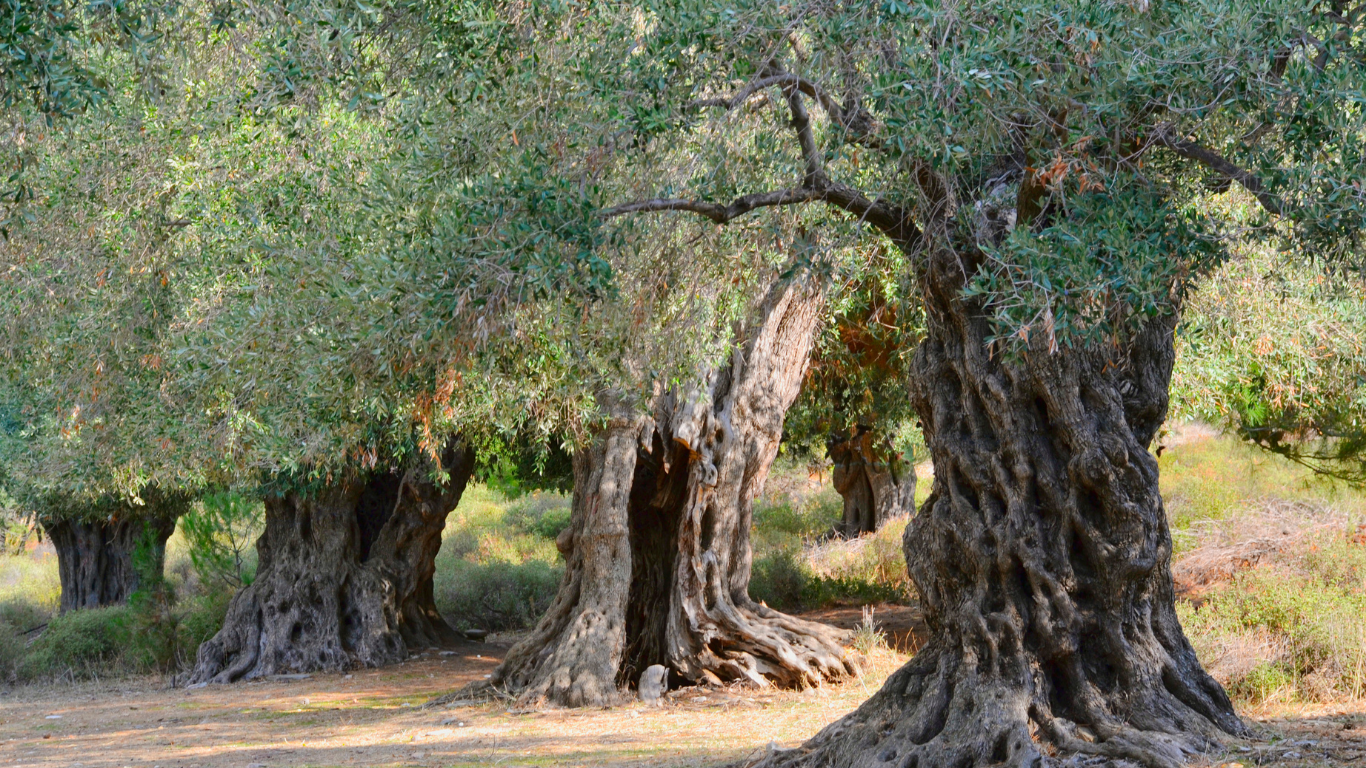
The person who has recently acquired stewardship of an ancient olive tree in Greece and who tells me about the specific character of last autumn’s oil, how it differed from the previous year’s, what the early harvest timing contributed, what they noticed when they first opened the bottle, is not describing a product. They are describing a relationship that is demanding their attention in a way they clearly find satisfying rather than draining.
That quality of attention, specific, sensory, genuinely responsible, oriented toward the annual evidence of care rather than toward a quarterly return, is what I think stewardship actually looks and feels like when it is genuinely practised. And it is a more honest measure of what a life has done with the freedom available to it than almost any balance sheet I have encountered.
Why Ancient Olive Tree Stewardship Is the New Standard Expressed Most Completely
Of all the available forms of stewardship, of land, of art, of cultural institutions, of family enterprises, the stewardship of an ancient living thing is the most honest, because it is the most honest about what stewardship actually requires.
The ancient olive tree does not care what you built. It does not respond to the qualities that drove the accumulation phase. It responds to the quality of the attention and care you are willing to give it now, and it produces, each autumn, something from its own biological processes that reflects that quality with complete honesty. A well-stewarded tree produces extraordinary oil. A neglected one does not. The feedback is annual, specific, and impossible to fake.
That is the new standard. Not what you accumulated, the balance sheet is full, the portfolio is structured, the estate plan is in place. But what you are responsible for. What is alive in your name. What will still be producing, and still reflecting the quality of your stewardship, long after the building that defined the first phase of your life has become a story that others tell about you.
For the foundational account of what a living legacy is and why stewardship is its defining practice, the Living Legacy Guide provides the comprehensive framework. For the distinction between wealth and legacy that makes the shift from building to stewarding philosophically necessary, The Difference Between Wealth and Legacy examines it in full. For the account of why founders specifically encounter this question at the exit, Why Founders Think About Legacy provides the founder-specific context. For the full philosophical account of what it means to hold something as a steward rather than an owner, The Difference Between Ownership and Stewardship examines the distinction in depth.
To explore what stewardship of an ancient Greek olive tree involves in practice, the Ownership page provides the full account. To begin a private conversation, the Contact page is the starting point.